Uncategorized

cover 2619

24 Hours in Wayanad: A Solo Traveler’s Whirlwind Itinerary

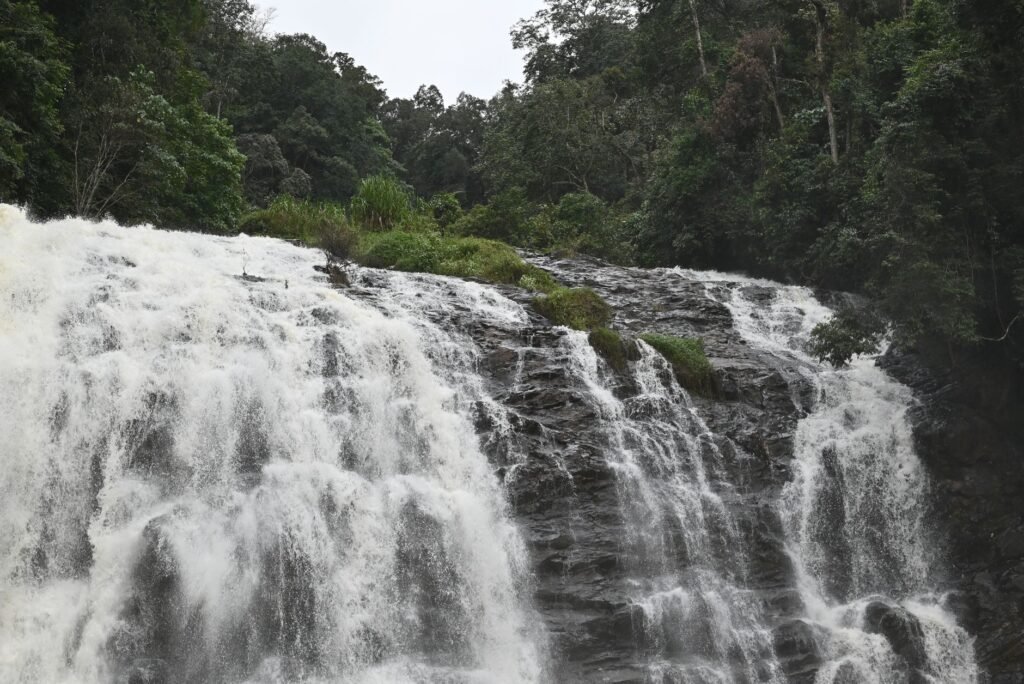
By the WayanadTrips team Many a visitor to Wayanad dreams of standing beneath the cool spray of a waterfall, and Soochipara Falls, with its shimmering tiers and verdant embrace, is often at the top of their list. But before you set off, it’s natural to wonder about the practicalities: when is the best time to visit? Can you swim safely? Let’s unravel these questions so your visit is as refreshing as the falls themselves. What is Soochipara Falls like? Soochipara, also known as Sentinel Rock Falls, is a magnificent three-tiered cascade nestled deep within the Wayanad forests. The name itself, “Soochi” meaning needle and “Para” meaning rock, hints at the distinctive needle-like rock formations that pierce the sky here. It’s a place where the water, after its journey through the Deccan Plateau, plunges with a roar, creating natural pools at various levels. For generations, these waters have carved their path, telling tales of the land’s ancient past, much like the folklore etched into the memories of the local communities here. When is the best time to visit Soochipara Falls? The beauty of Soochipara changes with the seasons, each offering a different charm. If you wish to see the falls in their full, thundering glory, the monsoon season (June to September) is when they are most powerful. However, the paths can be slippery, and water levels dangerously high, often leading to restrictions on swimming or even access. The true magic unfolds right after the monsoon, from October to February. The forests are lush, the air is crisp, and the falls flow robustly but generally safely for visitors. By March and April, leading into the summer, the water flow diminishes, making it less spectacular, though still a pleasant spot to cool down. My advice? Aim for the post-monsoon months for the best experience, but always check local conditions before you set out. Can you swim at Soochipara Falls? Is it safe? Yes, swimming is one of the main draws here, particularly in the natural pool at the very bottom of the falls. There are designated areas where it’s generally safe to take a dip, and it’s an exhilarating experience to feel the cool, clear water. However, safety is paramount. The currents can be deceptively strong, especially after heavy rains. Always stick to the marked safe zones, and if you’re not a confident swimmer, it’s best to simply wade or enjoy the spray from the rocks. There are usually guards or attendants, and their instructions should be followed without question. Never venture into areas that are roped off or appear to have very strong currents. Children should, of course, be supervised closely at all times. How much time should I allow for Soochipara Falls? To truly savour Soochipara, plan for at least 3 to 4 hours. This includes the walk down to the falls, which, while scenic, can be quite steep and takes about 20-30 minutes. Once at the base, you’ll want ample time to admire the cascades, take photographs, and perhaps enjoy a refreshing swim. The walk back up, naturally, takes a bit more effort and time. Rushing through it would mean missing the quiet moments and the sheer grandeur of the place. What should I carry and wear for the visit? Comfortable, sturdy footwear with good grip is absolutely essential for the trek down to the falls – no flimsy sandals or heels, please! Wear light clothing that allows for easy movement and can get a little wet. If you plan to swim, remember to bring a change of clothes and a towel. A reusable water bottle is a must to stay hydrated, and perhaps a light snack. Don’t forget your camera, but ensure it’s protected from water. And, of course, a small bag to carry out any waste, keeping Wayanad’s natural beauty pristine. Are there any age or physical restrictions? While Soochipara is a popular spot for all ages, the descent and ascent can be physically demanding. The path is well-maintained but steep, with many steps. Visitors with mobility issues, very young children, or those with heart conditions might find the climb challenging. It’s always best to assess your own fitness levels and those of your companions before committing to the full journey down to the base of the falls. What other places can I combine with Soochipara Falls? Soochipara is located in the southern part of Wayanad, near Meppadi. You can easily combine a visit here with other attractions in the area. Chembra Peak, with its heart-shaped lake, is not too far, though trekking permits can be restricted, so do check ahead. Kanthanpara Falls, a smaller but equally charming cascade, is another option if you’re looking for more waterfall magic without the strenuous trek. Karlad Lake, offering ziplining and boating, is also a short drive away, providing a different kind of adventure to balance the natural beauty of Soochipara. Getting There Without the Stress The roads leading to Soochipara Falls, especially the final stretch, are typical of Wayanad’s hilly terrain – winding and sometimes narrow. While the journey itself is beautiful, navigating these roads can be a bit of a challenge if you’re unfamiliar with the region. This is where a private car with a local driver from wayanadtrips.com truly makes a difference. Our drivers know these routes like the back of their hand, allowing you to simply sit back, enjoy the panoramic views, and arrive refreshed and ready for your adventure. They’ll drop you at the parking area, from where the forest department vehicles take you to the trailhead for the walk down. Summary – the honest bottom line Soochipara Falls is undoubtedly one of Wayanad’s most spectacular natural wonders, offering a truly immersive experience in nature. For the best visit, aim for the post-monsoon months (October to February) when the falls are vibrant and the weather pleasant. Swimming is a joy here, but always prioritize safety by sticking to designated areas and respecting the power of nature. Allow a good half-day for your visit, wear appropriate

24 Hours in Wayanad: A Solo Traveler’s Whirlwind Itinerary Read More »
cover 2612

Kuruva Island: Boating, Bamboo Rafting and What to Pack

By the WayanadTrips team Many a visitor to Wayanad dreams of standing beneath the cool spray of a waterfall, and Soochipara Falls, with its shimmering tiers and verdant embrace, is often at the top of their list. But before you set off, it’s natural to wonder about the practicalities: when is the best time to visit? Can you swim safely? Let’s unravel these questions so your visit is as refreshing as the falls themselves. What is Soochipara Falls like? Soochipara, also known as Sentinel Rock Falls, is a magnificent three-tiered cascade nestled deep within the Wayanad forests. The name itself, “Soochi” meaning needle and “Para” meaning rock, hints at the distinctive needle-like rock formations that pierce the sky here. It’s a place where the water, after its journey through the Deccan Plateau, plunges with a roar, creating natural pools at various levels. For generations, these waters have carved their path, telling tales of the land’s ancient past, much like the folklore etched into the memories of the local communities here. When is the best time to visit Soochipara Falls? The beauty of Soochipara changes with the seasons, each offering a different charm. If you wish to see the falls in their full, thundering glory, the monsoon season (June to September) is when they are most powerful. However, the paths can be slippery, and water levels dangerously high, often leading to restrictions on swimming or even access. The true magic unfolds right after the monsoon, from October to February. The forests are lush, the air is crisp, and the falls flow robustly but generally safely for visitors. By March and April, leading into the summer, the water flow diminishes, making it less spectacular, though still a pleasant spot to cool down. My advice? Aim for the post-monsoon months for the best experience, but always check local conditions before you set out. Can you swim at Soochipara Falls? Is it safe? Yes, swimming is one of the main draws here, particularly in the natural pool at the very bottom of the falls. There are designated areas where it’s generally safe to take a dip, and it’s an exhilarating experience to feel the cool, clear water. However, safety is paramount. The currents can be deceptively strong, especially after heavy rains. Always stick to the marked safe zones, and if you’re not a confident swimmer, it’s best to simply wade or enjoy the spray from the rocks. There are usually guards or attendants, and their instructions should be followed without question. Never venture into areas that are roped off or appear to have very strong currents. Children should, of course, be supervised closely at all times. How much time should I allow for Soochipara Falls? To truly savour Soochipara, plan for at least 3 to 4 hours. This includes the walk down to the falls, which, while scenic, can be quite steep and takes about 20-30 minutes. Once at the base, you’ll want ample time to admire the cascades, take photographs, and perhaps enjoy a refreshing swim. The walk back up, naturally, takes a bit more effort and time. Rushing through it would mean missing the quiet moments and the sheer grandeur of the place. What should I carry and wear for the visit? Comfortable, sturdy footwear with good grip is absolutely essential for the trek down to the falls – no flimsy sandals or heels, please! Wear light clothing that allows for easy movement and can get a little wet. If you plan to swim, remember to bring a change of clothes and a towel. A reusable water bottle is a must to stay hydrated, and perhaps a light snack. Don’t forget your camera, but ensure it’s protected from water. And, of course, a small bag to carry out any waste, keeping Wayanad’s natural beauty pristine. Are there any age or physical restrictions? While Soochipara is a popular spot for all ages, the descent and ascent can be physically demanding. The path is well-maintained but steep, with many steps. Visitors with mobility issues, very young children, or those with heart conditions might find the climb challenging. It’s always best to assess your own fitness levels and those of your companions before committing to the full journey down to the base of the falls. What other places can I combine with Soochipara Falls? Soochipara is located in the southern part of Wayanad, near Meppadi. You can easily combine a visit here with other attractions in the area. Chembra Peak, with its heart-shaped lake, is not too far, though trekking permits can be restricted, so do check ahead. Kanthanpara Falls, a smaller but equally charming cascade, is another option if you’re looking for more waterfall magic without the strenuous trek. Karlad Lake, offering ziplining and boating, is also a short drive away, providing a different kind of adventure to balance the natural beauty of Soochipara. Getting There Without the Stress The roads leading to Soochipara Falls, especially the final stretch, are typical of Wayanad’s hilly terrain – winding and sometimes narrow. While the journey itself is beautiful, navigating these roads can be a bit of a challenge if you’re unfamiliar with the region. This is where a private car with a local driver from wayanadtrips.com truly makes a difference. Our drivers know these routes like the back of their hand, allowing you to simply sit back, enjoy the panoramic views, and arrive refreshed and ready for your adventure. They’ll drop you at the parking area, from where the forest department vehicles take you to the trailhead for the walk down. Summary – the honest bottom line Soochipara Falls is undoubtedly one of Wayanad’s most spectacular natural wonders, offering a truly immersive experience in nature. For the best visit, aim for the post-monsoon months (October to February) when the falls are vibrant and the weather pleasant. Swimming is a joy here, but always prioritize safety by sticking to designated areas and respecting the power of nature. Allow a good half-day for your visit, wear appropriate

Kuruva Island: Boating, Bamboo Rafting and What to Pack Read More »

cover 2605

Pookode Lake: A Peaceful Half-Day Wayanad Itinerary

By the WayanadTrips team Many a visitor to Wayanad dreams of standing beneath the cool spray of a waterfall, and Soochipara Falls, with its shimmering tiers and verdant embrace, is often at the top of their list. But before you set off, it’s natural to wonder about the practicalities: when is the best time to visit? Can you swim safely? Let’s unravel these questions so your visit is as refreshing as the falls themselves. What is Soochipara Falls like? Soochipara, also known as Sentinel Rock Falls, is a magnificent three-tiered cascade nestled deep within the Wayanad forests. The name itself, “Soochi” meaning needle and “Para” meaning rock, hints at the distinctive needle-like rock formations that pierce the sky here. It’s a place where the water, after its journey through the Deccan Plateau, plunges with a roar, creating natural pools at various levels. For generations, these waters have carved their path, telling tales of the land’s ancient past, much like the folklore etched into the memories of the local communities here. When is the best time to visit Soochipara Falls? The beauty of Soochipara changes with the seasons, each offering a different charm. If you wish to see the falls in their full, thundering glory, the monsoon season (June to September) is when they are most powerful. However, the paths can be slippery, and water levels dangerously high, often leading to restrictions on swimming or even access. The true magic unfolds right after the monsoon, from October to February. The forests are lush, the air is crisp, and the falls flow robustly but generally safely for visitors. By March and April, leading into the summer, the water flow diminishes, making it less spectacular, though still a pleasant spot to cool down. My advice? Aim for the post-monsoon months for the best experience, but always check local conditions before you set out. Can you swim at Soochipara Falls? Is it safe? Yes, swimming is one of the main draws here, particularly in the natural pool at the very bottom of the falls. There are designated areas where it’s generally safe to take a dip, and it’s an exhilarating experience to feel the cool, clear water. However, safety is paramount. The currents can be deceptively strong, especially after heavy rains. Always stick to the marked safe zones, and if you’re not a confident swimmer, it’s best to simply wade or enjoy the spray from the rocks. There are usually guards or attendants, and their instructions should be followed without question. Never venture into areas that are roped off or appear to have very strong currents. Children should, of course, be supervised closely at all times. How much time should I allow for Soochipara Falls? To truly savour Soochipara, plan for at least 3 to 4 hours. This includes the walk down to the falls, which, while scenic, can be quite steep and takes about 20-30 minutes. Once at the base, you’ll want ample time to admire the cascades, take photographs, and perhaps enjoy a refreshing swim. The walk back up, naturally, takes a bit more effort and time. Rushing through it would mean missing the quiet moments and the sheer grandeur of the place. What should I carry and wear for the visit? Comfortable, sturdy footwear with good grip is absolutely essential for the trek down to the falls – no flimsy sandals or heels, please! Wear light clothing that allows for easy movement and can get a little wet. If you plan to swim, remember to bring a change of clothes and a towel. A reusable water bottle is a must to stay hydrated, and perhaps a light snack. Don’t forget your camera, but ensure it’s protected from water. And, of course, a small bag to carry out any waste, keeping Wayanad’s natural beauty pristine. Are there any age or physical restrictions? While Soochipara is a popular spot for all ages, the descent and ascent can be physically demanding. The path is well-maintained but steep, with many steps. Visitors with mobility issues, very young children, or those with heart conditions might find the climb challenging. It’s always best to assess your own fitness levels and those of your companions before committing to the full journey down to the base of the falls. What other places can I combine with Soochipara Falls? Soochipara is located in the southern part of Wayanad, near Meppadi. You can easily combine a visit here with other attractions in the area. Chembra Peak, with its heart-shaped lake, is not too far, though trekking permits can be restricted, so do check ahead. Kanthanpara Falls, a smaller but equally charming cascade, is another option if you’re looking for more waterfall magic without the strenuous trek. Karlad Lake, offering ziplining and boating, is also a short drive away, providing a different kind of adventure to balance the natural beauty of Soochipara. Getting There Without the Stress The roads leading to Soochipara Falls, especially the final stretch, are typical of Wayanad’s hilly terrain – winding and sometimes narrow. While the journey itself is beautiful, navigating these roads can be a bit of a challenge if you’re unfamiliar with the region. This is where a private car with a local driver from wayanadtrips.com truly makes a difference. Our drivers know these routes like the back of their hand, allowing you to simply sit back, enjoy the panoramic views, and arrive refreshed and ready for your adventure. They’ll drop you at the parking area, from where the forest department vehicles take you to the trailhead for the walk down. Summary – the honest bottom line Soochipara Falls is undoubtedly one of Wayanad’s most spectacular natural wonders, offering a truly immersive experience in nature. For the best visit, aim for the post-monsoon months (October to February) when the falls are vibrant and the weather pleasant. Swimming is a joy here, but always prioritize safety by sticking to designated areas and respecting the power of nature. Allow a good half-day for your visit, wear appropriate

Pookode Lake: A Peaceful Half-Day Wayanad Itinerary Read More »

cover 2591

Banasura Sagar Dam: Best Time to Visit India’s Largest Earth Dam

By the WayanadTrips team Many a visitor to Wayanad dreams of standing beneath the cool spray of a waterfall, and Soochipara Falls, with its shimmering tiers and verdant embrace, is often at the top of their list. But before you set off, it’s natural to wonder about the practicalities: when is the best time to visit? Can you swim safely? Let’s unravel these questions so your visit is as refreshing as the falls themselves. What is Soochipara Falls like? Soochipara, also known as Sentinel Rock Falls, is a magnificent three-tiered cascade nestled deep within the Wayanad forests. The name itself, “Soochi” meaning needle and “Para” meaning rock, hints at the distinctive needle-like rock formations that pierce the sky here. It’s a place where the water, after its journey through the Deccan Plateau, plunges with a roar, creating natural pools at various levels. For generations, these waters have carved their path, telling tales of the land’s ancient past, much like the folklore etched into the memories of the local communities here. When is the best time to visit Soochipara Falls? The beauty of Soochipara changes with the seasons, each offering a different charm. If you wish to see the falls in their full, thundering glory, the monsoon season (June to September) is when they are most powerful. However, the paths can be slippery, and water levels dangerously high, often leading to restrictions on swimming or even access. The true magic unfolds right after the monsoon, from October to February. The forests are lush, the air is crisp, and the falls flow robustly but generally safely for visitors. By March and April, leading into the summer, the water flow diminishes, making it less spectacular, though still a pleasant spot to cool down. My advice? Aim for the post-monsoon months for the best experience, but always check local conditions before you set out. Can you swim at Soochipara Falls? Is it safe? Yes, swimming is one of the main draws here, particularly in the natural pool at the very bottom of the falls. There are designated areas where it’s generally safe to take a dip, and it’s an exhilarating experience to feel the cool, clear water. However, safety is paramount. The currents can be deceptively strong, especially after heavy rains. Always stick to the marked safe zones, and if you’re not a confident swimmer, it’s best to simply wade or enjoy the spray from the rocks. There are usually guards or attendants, and their instructions should be followed without question. Never venture into areas that are roped off or appear to have very strong currents. Children should, of course, be supervised closely at all times. How much time should I allow for Soochipara Falls? To truly savour Soochipara, plan for at least 3 to 4 hours. This includes the walk down to the falls, which, while scenic, can be quite steep and takes about 20-30 minutes. Once at the base, you’ll want ample time to admire the cascades, take photographs, and perhaps enjoy a refreshing swim. The walk back up, naturally, takes a bit more effort and time. Rushing through it would mean missing the quiet moments and the sheer grandeur of the place. What should I carry and wear for the visit? Comfortable, sturdy footwear with good grip is absolutely essential for the trek down to the falls – no flimsy sandals or heels, please! Wear light clothing that allows for easy movement and can get a little wet. If you plan to swim, remember to bring a change of clothes and a towel. A reusable water bottle is a must to stay hydrated, and perhaps a light snack. Don’t forget your camera, but ensure it’s protected from water. And, of course, a small bag to carry out any waste, keeping Wayanad’s natural beauty pristine. Are there any age or physical restrictions? While Soochipara is a popular spot for all ages, the descent and ascent can be physically demanding. The path is well-maintained but steep, with many steps. Visitors with mobility issues, very young children, or those with heart conditions might find the climb challenging. It’s always best to assess your own fitness levels and those of your companions before committing to the full journey down to the base of the falls. What other places can I combine with Soochipara Falls? Soochipara is located in the southern part of Wayanad, near Meppadi. You can easily combine a visit here with other attractions in the area. Chembra Peak, with its heart-shaped lake, is not too far, though trekking permits can be restricted, so do check ahead. Kanthanpara Falls, a smaller but equally charming cascade, is another option if you’re looking for more waterfall magic without the strenuous trek. Karlad Lake, offering ziplining and boating, is also a short drive away, providing a different kind of adventure to balance the natural beauty of Soochipara. Getting There Without the Stress The roads leading to Soochipara Falls, especially the final stretch, are typical of Wayanad’s hilly terrain – winding and sometimes narrow. While the journey itself is beautiful, navigating these roads can be a bit of a challenge if you’re unfamiliar with the region. This is where a private car with a local driver from wayanadtrips.com truly makes a difference. Our drivers know these routes like the back of their hand, allowing you to simply sit back, enjoy the panoramic views, and arrive refreshed and ready for your adventure. They’ll drop you at the parking area, from where the forest department vehicles take you to the trailhead for the walk down. Summary – the honest bottom line Soochipara Falls is undoubtedly one of Wayanad’s most spectacular natural wonders, offering a truly immersive experience in nature. For the best visit, aim for the post-monsoon months (October to February) when the falls are vibrant and the weather pleasant. Swimming is a joy here, but always prioritize safety by sticking to designated areas and respecting the power of nature. Allow a good half-day for your visit, wear appropriate

Banasura Sagar Dam: Best Time to Visit India’s Largest Earth Dam Read More »

cover 2588

Wayanad Wildlife Sanctuary Safari: What to Expect and How to Prepare

By the WayanadTrips team Many a visitor to Wayanad dreams of standing beneath the cool spray of a waterfall, and Soochipara Falls, with its shimmering tiers and verdant embrace, is often at the top of their list. But before you set off, it’s natural to wonder about the practicalities: when is the best time to visit? Can you swim safely? Let’s unravel these questions so your visit is as refreshing as the falls themselves. What is Soochipara Falls like? Soochipara, also known as Sentinel Rock Falls, is a magnificent three-tiered cascade nestled deep within the Wayanad forests. The name itself, “Soochi” meaning needle and “Para” meaning rock, hints at the distinctive needle-like rock formations that pierce the sky here. It’s a place where the water, after its journey through the Deccan Plateau, plunges with a roar, creating natural pools at various levels. For generations, these waters have carved their path, telling tales of the land’s ancient past, much like the folklore etched into the memories of the local communities here. When is the best time to visit Soochipara Falls? The beauty of Soochipara changes with the seasons, each offering a different charm. If you wish to see the falls in their full, thundering glory, the monsoon season (June to September) is when they are most powerful. However, the paths can be slippery, and water levels dangerously high, often leading to restrictions on swimming or even access. The true magic unfolds right after the monsoon, from October to February. The forests are lush, the air is crisp, and the falls flow robustly but generally safely for visitors. By March and April, leading into the summer, the water flow diminishes, making it less spectacular, though still a pleasant spot to cool down. My advice? Aim for the post-monsoon months for the best experience, but always check local conditions before you set out. Can you swim at Soochipara Falls? Is it safe? Yes, swimming is one of the main draws here, particularly in the natural pool at the very bottom of the falls. There are designated areas where it’s generally safe to take a dip, and it’s an exhilarating experience to feel the cool, clear water. However, safety is paramount. The currents can be deceptively strong, especially after heavy rains. Always stick to the marked safe zones, and if you’re not a confident swimmer, it’s best to simply wade or enjoy the spray from the rocks. There are usually guards or attendants, and their instructions should be followed without question. Never venture into areas that are roped off or appear to have very strong currents. Children should, of course, be supervised closely at all times. How much time should I allow for Soochipara Falls? To truly savour Soochipara, plan for at least 3 to 4 hours. This includes the walk down to the falls, which, while scenic, can be quite steep and takes about 20-30 minutes. Once at the base, you’ll want ample time to admire the cascades, take photographs, and perhaps enjoy a refreshing swim. The walk back up, naturally, takes a bit more effort and time. Rushing through it would mean missing the quiet moments and the sheer grandeur of the place. What should I carry and wear for the visit? Comfortable, sturdy footwear with good grip is absolutely essential for the trek down to the falls – no flimsy sandals or heels, please! Wear light clothing that allows for easy movement and can get a little wet. If you plan to swim, remember to bring a change of clothes and a towel. A reusable water bottle is a must to stay hydrated, and perhaps a light snack. Don’t forget your camera, but ensure it’s protected from water. And, of course, a small bag to carry out any waste, keeping Wayanad’s natural beauty pristine. Are there any age or physical restrictions? While Soochipara is a popular spot for all ages, the descent and ascent can be physically demanding. The path is well-maintained but steep, with many steps. Visitors with mobility issues, very young children, or those with heart conditions might find the climb challenging. It’s always best to assess your own fitness levels and those of your companions before committing to the full journey down to the base of the falls. What other places can I combine with Soochipara Falls? Soochipara is located in the southern part of Wayanad, near Meppadi. You can easily combine a visit here with other attractions in the area. Chembra Peak, with its heart-shaped lake, is not too far, though trekking permits can be restricted, so do check ahead. Kanthanpara Falls, a smaller but equally charming cascade, is another option if you’re looking for more waterfall magic without the strenuous trek. Karlad Lake, offering ziplining and boating, is also a short drive away, providing a different kind of adventure to balance the natural beauty of Soochipara. Getting There Without the Stress The roads leading to Soochipara Falls, especially the final stretch, are typical of Wayanad’s hilly terrain – winding and sometimes narrow. While the journey itself is beautiful, navigating these roads can be a bit of a challenge if you’re unfamiliar with the region. This is where a private car with a local driver from wayanadtrips.com truly makes a difference. Our drivers know these routes like the back of their hand, allowing you to simply sit back, enjoy the panoramic views, and arrive refreshed and ready for your adventure. They’ll drop you at the parking area, from where the forest department vehicles take you to the trailhead for the walk down. Summary – the honest bottom line Soochipara Falls is undoubtedly one of Wayanad’s most spectacular natural wonders, offering a truly immersive experience in nature. For the best visit, aim for the post-monsoon months (October to February) when the falls are vibrant and the weather pleasant. Swimming is a joy here, but always prioritize safety by sticking to designated areas and respecting the power of nature. Allow a good half-day for your visit, wear appropriate

Wayanad Wildlife Sanctuary Safari: What to Expect and How to Prepare Read More »

cover 2585

Meenmutty Falls Trek: A Complete Do’s and Don’ts Guide

By the WayanadTrips team Many a visitor to Wayanad dreams of standing beneath the cool spray of a waterfall, and Soochipara Falls, with its shimmering tiers and verdant embrace, is often at the top of their list. But before you set off, it’s natural to wonder about the practicalities: when is the best time to visit? Can you swim safely? Let’s unravel these questions so your visit is as refreshing as the falls themselves. What is Soochipara Falls like? Soochipara, also known as Sentinel Rock Falls, is a magnificent three-tiered cascade nestled deep within the Wayanad forests. The name itself, “Soochi” meaning needle and “Para” meaning rock, hints at the distinctive needle-like rock formations that pierce the sky here. It’s a place where the water, after its journey through the Deccan Plateau, plunges with a roar, creating natural pools at various levels. For generations, these waters have carved their path, telling tales of the land’s ancient past, much like the folklore etched into the memories of the local communities here. When is the best time to visit Soochipara Falls? The beauty of Soochipara changes with the seasons, each offering a different charm. If you wish to see the falls in their full, thundering glory, the monsoon season (June to September) is when they are most powerful. However, the paths can be slippery, and water levels dangerously high, often leading to restrictions on swimming or even access. The true magic unfolds right after the monsoon, from October to February. The forests are lush, the air is crisp, and the falls flow robustly but generally safely for visitors. By March and April, leading into the summer, the water flow diminishes, making it less spectacular, though still a pleasant spot to cool down. My advice? Aim for the post-monsoon months for the best experience, but always check local conditions before you set out. Can you swim at Soochipara Falls? Is it safe? Yes, swimming is one of the main draws here, particularly in the natural pool at the very bottom of the falls. There are designated areas where it’s generally safe to take a dip, and it’s an exhilarating experience to feel the cool, clear water. However, safety is paramount. The currents can be deceptively strong, especially after heavy rains. Always stick to the marked safe zones, and if you’re not a confident swimmer, it’s best to simply wade or enjoy the spray from the rocks. There are usually guards or attendants, and their instructions should be followed without question. Never venture into areas that are roped off or appear to have very strong currents. Children should, of course, be supervised closely at all times. How much time should I allow for Soochipara Falls? To truly savour Soochipara, plan for at least 3 to 4 hours. This includes the walk down to the falls, which, while scenic, can be quite steep and takes about 20-30 minutes. Once at the base, you’ll want ample time to admire the cascades, take photographs, and perhaps enjoy a refreshing swim. The walk back up, naturally, takes a bit more effort and time. Rushing through it would mean missing the quiet moments and the sheer grandeur of the place. What should I carry and wear for the visit? Comfortable, sturdy footwear with good grip is absolutely essential for the trek down to the falls – no flimsy sandals or heels, please! Wear light clothing that allows for easy movement and can get a little wet. If you plan to swim, remember to bring a change of clothes and a towel. A reusable water bottle is a must to stay hydrated, and perhaps a light snack. Don’t forget your camera, but ensure it’s protected from water. And, of course, a small bag to carry out any waste, keeping Wayanad’s natural beauty pristine. Are there any age or physical restrictions? While Soochipara is a popular spot for all ages, the descent and ascent can be physically demanding. The path is well-maintained but steep, with many steps. Visitors with mobility issues, very young children, or those with heart conditions might find the climb challenging. It’s always best to assess your own fitness levels and those of your companions before committing to the full journey down to the base of the falls. What other places can I combine with Soochipara Falls? Soochipara is located in the southern part of Wayanad, near Meppadi. You can easily combine a visit here with other attractions in the area. Chembra Peak, with its heart-shaped lake, is not too far, though trekking permits can be restricted, so do check ahead. Kanthanpara Falls, a smaller but equally charming cascade, is another option if you’re looking for more waterfall magic without the strenuous trek. Karlad Lake, offering ziplining and boating, is also a short drive away, providing a different kind of adventure to balance the natural beauty of Soochipara. Getting There Without the Stress The roads leading to Soochipara Falls, especially the final stretch, are typical of Wayanad’s hilly terrain – winding and sometimes narrow. While the journey itself is beautiful, navigating these roads can be a bit of a challenge if you’re unfamiliar with the region. This is where a private car with a local driver from wayanadtrips.com truly makes a difference. Our drivers know these routes like the back of their hand, allowing you to simply sit back, enjoy the panoramic views, and arrive refreshed and ready for your adventure. They’ll drop you at the parking area, from where the forest department vehicles take you to the trailhead for the walk down. Summary – the honest bottom line Soochipara Falls is undoubtedly one of Wayanad’s most spectacular natural wonders, offering a truly immersive experience in nature. For the best visit, aim for the post-monsoon months (October to February) when the falls are vibrant and the weather pleasant. Swimming is a joy here, but always prioritize safety by sticking to designated areas and respecting the power of nature. Allow a good half-day for your visit, wear appropriate

Meenmutty Falls Trek: A Complete Do’s and Don’ts Guide Read More »

cover 2582

Soochipara Falls: Best Time to Visit and Safety Tips for Swimming

By the WayanadTrips team Many a visitor to Wayanad dreams of standing beneath the cool spray of a waterfall, and Soochipara Falls, with its shimmering tiers and verdant embrace, is often at the top of their list. But before you set off, it’s natural to wonder about the practicalities: when is the best time to visit? Can you swim safely? Let’s unravel these questions so your visit is as refreshing as the falls themselves. What is Soochipara Falls like? Soochipara, also known as Sentinel Rock Falls, is a magnificent three-tiered cascade nestled deep within the Wayanad forests. The name itself, “Soochi” meaning needle and “Para” meaning rock, hints at the distinctive needle-like rock formations that pierce the sky here. It’s a place where the water, after its journey through the Deccan Plateau, plunges with a roar, creating natural pools at various levels. For generations, these waters have carved their path, telling tales of the land’s ancient past, much like the folklore etched into the memories of the local communities here. When is the best time to visit Soochipara Falls? The beauty of Soochipara changes with the seasons, each offering a different charm. If you wish to see the falls in their full, thundering glory, the monsoon season (June to September) is when they are most powerful. However, the paths can be slippery, and water levels dangerously high, often leading to restrictions on swimming or even access. The true magic unfolds right after the monsoon, from October to February. The forests are lush, the air is crisp, and the falls flow robustly but generally safely for visitors. By March and April, leading into the summer, the water flow diminishes, making it less spectacular, though still a pleasant spot to cool down. My advice? Aim for the post-monsoon months for the best experience, but always check local conditions before you set out. Can you swim at Soochipara Falls? Is it safe? Yes, swimming is one of the main draws here, particularly in the natural pool at the very bottom of the falls. There are designated areas where it’s generally safe to take a dip, and it’s an exhilarating experience to feel the cool, clear water. However, safety is paramount. The currents can be deceptively strong, especially after heavy rains. Always stick to the marked safe zones, and if you’re not a confident swimmer, it’s best to simply wade or enjoy the spray from the rocks. There are usually guards or attendants, and their instructions should be followed without question. Never venture into areas that are roped off or appear to have very strong currents. Children should, of course, be supervised closely at all times. How much time should I allow for Soochipara Falls? To truly savour Soochipara, plan for at least 3 to 4 hours. This includes the walk down to the falls, which, while scenic, can be quite steep and takes about 20-30 minutes. Once at the base, you’ll want ample time to admire the cascades, take photographs, and perhaps enjoy a refreshing swim. The walk back up, naturally, takes a bit more effort and time. Rushing through it would mean missing the quiet moments and the sheer grandeur of the place. What should I carry and wear for the visit? Comfortable, sturdy footwear with good grip is absolutely essential for the trek down to the falls – no flimsy sandals or heels, please! Wear light clothing that allows for easy movement and can get a little wet. If you plan to swim, remember to bring a change of clothes and a towel. A reusable water bottle is a must to stay hydrated, and perhaps a light snack. Don’t forget your camera, but ensure it’s protected from water. And, of course, a small bag to carry out any waste, keeping Wayanad’s natural beauty pristine. Are there any age or physical restrictions? While Soochipara is a popular spot for all ages, the descent and ascent can be physically demanding. The path is well-maintained but steep, with many steps. Visitors with mobility issues, very young children, or those with heart conditions might find the climb challenging. It’s always best to assess your own fitness levels and those of your companions before committing to the full journey down to the base of the falls. What other places can I combine with Soochipara Falls? Soochipara is located in the southern part of Wayanad, near Meppadi. You can easily combine a visit here with other attractions in the area. Chembra Peak, with its heart-shaped lake, is not too far, though trekking permits can be restricted, so do check ahead. Kanthanpara Falls, a smaller but equally charming cascade, is another option if you’re looking for more waterfall magic without the strenuous trek. Karlad Lake, offering ziplining and boating, is also a short drive away, providing a different kind of adventure to balance the natural beauty of Soochipara. Getting There Without the Stress The roads leading to Soochipara Falls, especially the final stretch, are typical of Wayanad’s hilly terrain – winding and sometimes narrow. While the journey itself is beautiful, navigating these roads can be a bit of a challenge if you’re unfamiliar with the region. This is where a private car with a local driver from wayanadtrips.com truly makes a difference. Our drivers know these routes like the back of their hand, allowing you to simply sit back, enjoy the panoramic views, and arrive refreshed and ready for your adventure. They’ll drop you at the parking area, from where the forest department vehicles take you to the trailhead for the walk down. Summary – the honest bottom line Soochipara Falls is undoubtedly one of Wayanad’s most spectacular natural wonders, offering a truly immersive experience in nature. For the best visit, aim for the post-monsoon months (October to February) when the falls are vibrant and the weather pleasant. Swimming is a joy here, but always prioritize safety by sticking to designated areas and respecting the power of nature. Allow a good half-day for your visit, wear appropriate

Soochipara Falls: Best Time to Visit and Safety Tips for Swimming Read More »

cover 2579

Edakkal Caves: What to Know Before You Climb Up to the Ancient Carvings

By the WayanadTrips team Ah, the Edakkal Caves! Just the name brings a smile to my face, thinking of the ancient stories etched into the very rock of Wayanad. These aren’t just caves; they are a window into a time long past, a place where our ancestors left their mark for us to wonder at. If you’re planning a visit, let me share a little wisdom, so you can truly feel the magic of this historical treasure. Step 1: Planning Your Journey to the Past Edakkal Caves sit proudly in the eastern part of Wayanad, not far from Sulthan Bathery. The journey itself, like much of Wayanad, involves winding roads through emerald hills. Trust me, having a local driver who knows these curves like old friends in a private car makes all the difference. You can simply gaze out at the changing landscape without a worry. The best time to embark on this adventure is in the early morning, ideally right when it opens. Not only do you beat the heat, which can be quite intense as the sun climbs high, but you also get to experience the caves in relative peace before the crowds arrive. It’s a much more reflective experience when you’re not jostling for space. Step 2: The Climb to the Carvings The Initial Ascent: Once you reach the base of the hill, you’ll find parking. From here, a shared jeep will take you a good portion of the way up the initial slope. It’s a short, bumpy ride that saves your legs for what’s to come. The Trek Begins: After the jeep drops you off, the real climb starts. It’s a well-marked path, but it is steep, with some rocky sections and uneven terrain. Wear sturdy, comfortable walking shoes with good grip – this is not the place for flip-flops! Into the Caves: The final stretch involves climbing a series of metal steps and ladders that lead directly into the cave formations. It can be a bit challenging for some, but the reward at the top is absolutely worth every step. Allow at least 2 to 3 hours for the entire visit, including the climb up and down. Step 3: Unveiling Ancient Secrets Inside the Edakkal Caves, you’ll find two main chambers, but it’s the second one that truly holds the marvels. Here, etched onto the cave walls, are petroglyphs – ancient rock carvings – dating back to the Neolithic age, roughly 6,000 to 8,000 years ago. These aren’t just doodles; they are the whispers of early human life in this land, etched by people who understood the rhythms of nature and left us glimpses of their world, their beliefs, and perhaps even their stories. Imagine the hands that carved these images, long before recorded history, in these very hills that our tribal communities still call home. It’s a profound connection to the earliest inhabitants of Wayanad, making you feel a deep sense of continuity and heritage. Take your time to really look at the figures – animals, human forms, symbols – and let your imagination roam freely. You’re standing where ancient storytellers once stood. Step 4: What to Carry and What to Know Water: Absolutely essential. Carry enough to stay hydrated during the climb. Comfortable Footwear: As I said, sturdy shoes are a must for the uneven paths and steps. Light Clothing: Wear breathable clothes suitable for a walk in warm, humid conditions. Camera: You’ll want to capture the views from the top and the incredible carvings. Current Status: Always check if the caves are open before you set out. Sometimes, due to heavy monsoon rains or maintenance, access might be restricted. A quick call to us at wayanadtrips.com can confirm this for you. Nearby Places to Add on the Same Day Since you’re already in the eastern part of Wayanad, near Sulthan Bathery, you can easily combine your visit to Edakkal Caves with other attractions: Sulthan Bathery: Explore the town itself, perhaps visit the Jain Temple, which has an interesting history as a fort used by Tipu Sultan. Muthanga Wildlife Sanctuary: If you’re keen on wildlife, a safari here in the afternoon could be a thrilling experience, though sightings are never guaranteed. Ambalavayal Heritage Museum: For those who love history, this museum offers a fascinating collection of tribal artifacts and tools, giving more context to Wayanad’s rich past. Common Mistakes to Avoid Not Checking Opening Status: Don’t just assume it’s open. A little check can save a wasted trip. Visiting in the Mid-Afternoon: The heat and crowds can seriously dampen your experience. Early morning is key. Inappropriate Footwear: High heels or flimsy sandals will make the climb difficult and potentially unsafe. Underestimating the Climb: While not a mountaineering expedition, it does require a reasonable level of fitness. Take your time and rest when needed. Forgetting Water: You will get thirsty, especially on the ascent. Summary Edakkal Caves is more than just a tourist spot; it’s a journey back in time, a chance to connect with the very first inhabitants of this beautiful land. The climb might test you a little, but the ancient carvings and the panoramic views from the top make it an unforgettable experience. And after a morning of such profound discovery, the thought of someone else navigating the winding roads back to your stay is truly a comfort. This is where a private taxi service with a local Wayanad driver becomes invaluable, letting you relax and reflect on the ancient stories you’ve just encountered. Plan your Wayanad trip with wayanadtrips.com – private cars, local drivers and sightseeing packages. Call 9746967281. Call 9746967281 WhatsApp Us Cover photo: Jansher Chakkittammal on Pexels

Edakkal Caves: What to Know Before You Climb Up to the Ancient Carvings Read More »

cover 2576

Chembra Peak Trek: Do’s and Don’ts Every First-Timer Should Know

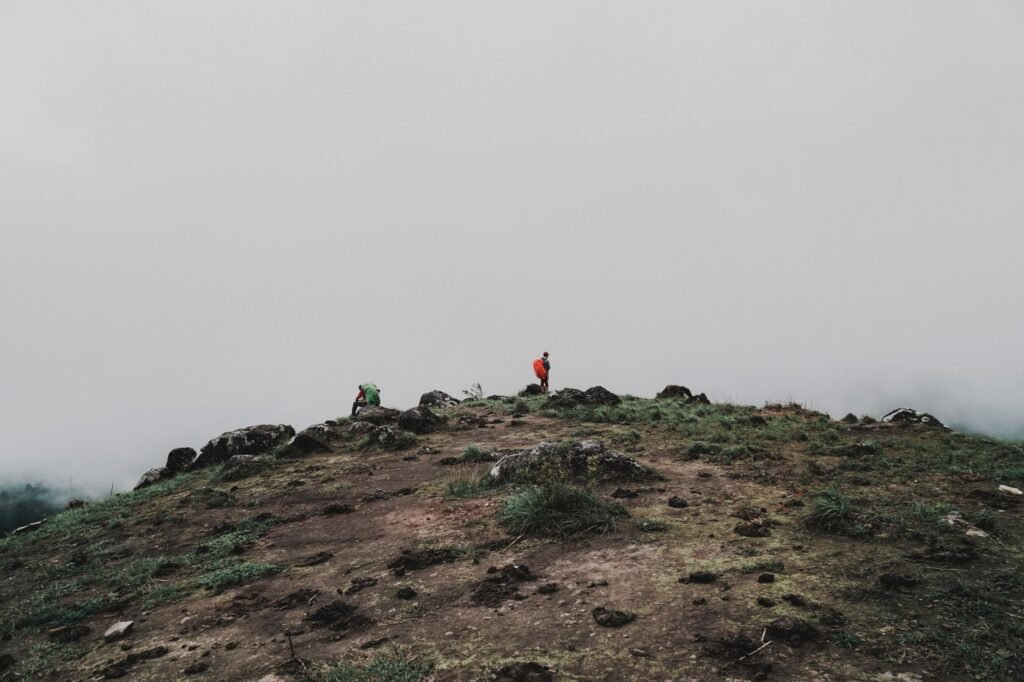
By the WayanadTrips team The Chembra Peak trek often tops the list for adventurers visiting Wayanad. And why shouldn’t it? The thought of reaching one of the highest points in these ancient hills, especially to gaze upon the famed heart-shaped lake, is truly captivating. But for first-timers, the questions can pile up: How hard is it? What do I need to carry? Is it even open? Wayanad, with its misty peaks and forests that hold stories as old as time, has always called to those with a spirit for exploration. Chembra is one of its crown jewels, and with a little preparation, it’s an experience you’ll cherish. Let’s unravel the mysteries of the Chembra Peak trek so you can enjoy every step. What is Chembra Peak? Chembra Peak stands tall as one of the highest points in the beautiful Wayanad district, nestled in the southern part of the Western Ghats. It’s located in the Meppadi hills, a lush green area that truly embodies Wayanad’s natural beauty. The trek itself is renowned, not just for the panoramic views from its slopes, but for a unique natural phenomenon near the summit: Hridaya Saras, a heart-shaped lake that is said to never dry up. How difficult is the Chembra Peak trek? The trek to Chembra Peak is generally considered to be of moderate difficulty, but it can lean towards challenging, especially for those not accustomed to hill climbs. The path starts off relatively gentle, winding through tea plantations, but soon becomes steeper as you ascend through dense shola forests and grasslands. Most visitors trek up to the heart-shaped lake, which serves as a natural resting point and the typical turnaround point. The full ascent to the very peak is often restricted. To reach the heart-shaped lake and return, you should allow a good 3 to 4 hours, depending on your pace and how much time you spend admiring the views. Sturdy footwear is an absolute must – those winding paths can be slippery, especially if there’s been recent rain. What should I wear and carry for the trek? Comfort and practicality are key here. Opt for comfortable, breathable clothing that allows for easy movement. Long trousers can help protect against scratches from thorny bushes or insect bites. A light jacket or a compact raincoat is always a good idea, as mountain weather can change quite suddenly. And as I mentioned, reliable trekking shoes with good grip are non-negotiable. As for what to carry, a small backpack with plenty of water is essential – you’ll need to stay hydrated. Pack some energy-boosting snacks like nuts or fruit. Sun protection, such as a cap and sunscreen, will be useful. Don’t forget a basic first-aid kit for minor scrapes, and of course, your camera to capture those breathtaking vistas. A local driver can often provide insights into what to expect on the day, helping you prepare even better. When is the best time to trek Chembra Peak? The ideal time to undertake the Chembra Peak trek is during the post-monsoon and winter months, typically from October to February. The weather during this period is pleasant, with clear skies offering spectacular views, and the paths are less slippery. While the monsoon months (June to September) turn Wayanad into a verdant paradise, trekking can be challenging and sometimes dangerous due to heavy rains, leeches, and extremely slippery trails. Moreover, the forest department often closes the trek during heavy monsoons or for other safety reasons. It’s always best to check the current status before you plan your visit. Are there any restrictions or permits for the trek? Yes, absolutely. Chembra Peak falls under the jurisdiction of the Forest Department, and entry is regulated to protect the fragile ecosystem. You will need to obtain a permit from the forest department office near Meppadi before starting the trek. Guides are usually mandatory and will accompany you on the trail. Entry is typically restricted to the heart-shaped lake, and visitors are not usually allowed to proceed to the very summit. Rules and entry fees can change, so it is always wise to confirm the latest regulations and charges locally or by calling us before you set out. What else is there to see nearby Chembra Peak? The Chembra Peak area, part of the Meppadi zone, is surrounded by other natural wonders that can easily be combined with your trek. Not far from Chembra are the majestic Soochipara Falls, also known as Sentinel Rock Falls, where you can witness water cascading down three tiers. Another beautiful option is Kanthanpara Falls, a smaller but equally enchanting waterfall. After your trek, a visit to the charming town of Meppadi offers a chance to relax and enjoy some local flavours. Having a private car and local driver allows you to combine these spots seamlessly, without worrying about navigation or waiting for transport. Getting There Without the Stress Reaching the base of the Chembra Peak trek, nestled amidst Wayanad’s rolling hills, involves navigating winding roads. While the journey itself is scenic, it’s far easier and more relaxing when you have a local driver who knows the routes like the back of their hand. Whether you’re coming from Kalpetta, Sulthan Bathery, or even further afield, a private taxi service ensures a comfortable and hassle-free ride right to the forest department office. There’s no need to worry about parking or finding your way back after a tiring but exhilarating trek. Our drivers are well-versed in Wayanad’s geography and can provide a smooth experience, allowing you to focus on the adventure ahead. Summary – the honest bottom line The Chembra Peak trek is an unforgettable experience, offering a glimpse into Wayanad’s raw, untamed beauty, crowned by the legendary heart-shaped lake. Locals often speak of Hridaya Saras, not just as a geographical marvel but as a symbol of the enduring love nature holds for Wayanad, a sentiment that has echoed through generations of these hills. It requires preparation and respect for nature’s rules, but the rewards are immense. Remember to

Chembra Peak Trek: Do’s and Don’ts Every First-Timer Should Know Read More »