
By the WayanadTrips team
The gentle hills and misty valleys of Wayanad call to many hearts, yet a common whisper I often hear is, “When is the *best* time to visit?” It’s a natural question, born from a desire to truly connect with a place, to experience its essence when it’s most inviting. The truth is, Wayanad holds a unique charm in every season, like a beloved book that reveals new layers with each re-reading. Yet, understanding the rhythm of its seasons can indeed help you craft the journey you’ve been dreaming of.
When does Wayanad truly bloom in its most gentle light? (October to February)
If your heart seeks mild days, clear skies, and a refreshing crispness in the air, then the post-monsoon and winter months, from October through February, are a quiet marvel. The rains have retreated, leaving behind a landscape washed clean and vibrant, with every leaf glistening. The air carries the scent of damp earth and blossoming coffee, and the sun, though bright, is never harsh.
This is a wonderful time for exploring the popular trekking trails, like the ascent to Chembra Peak (do check local conditions for permits, as these can change) or the ancient whispers within the Edakkal Caves near Sulthan Bathery. The vast expanse of Banasura Sagar Dam, in the central zone near Kalpetta, reflects the brilliant blue sky, inviting quiet moments by the water. Wildlife sanctuaries like Muthanga and Tholpetty, in the eastern and northern zones respectively, offer better chances for sightings as animals venture out in the pleasant weather.
For these explorations, comfortable walking shoes are a must. While days are pleasant, evenings and early mornings can be cool, especially in higher altitudes around Vythiri or Lakkidi, so a light shawl or jacket will be a welcome companion. Allowing ample time, perhaps three to four hours for a place like Edakkal Caves, lets you savour the journey without feeling rushed.
What if I dream of Wayanad cloaked in vibrant green? (June to September)
For those who find beauty in the dramatic embrace of nature, the monsoon, from June to September, transforms Wayanad into an emerald wonderland. The hills weep with countless waterfalls, and the entire landscape pulsates with life. The air is thick with the sweet scent of rain-soaked earth, and the world seems to slow down, inviting quiet contemplation.
Waterfalls like Soochipara and Kanthanpara, in the southern zone near Meppadi, swell to their magnificent glory, a breathtaking sight and sound. However, it’s crucial to remember that heavy rains can sometimes lead to slippery paths, and for safety, some attractions might temporarily close or restrict entry. Always check the current status locally or with your driver before setting out. This is a time for waterproof footwear, sturdy umbrellas, and perhaps a good book to enjoy during a sudden shower.
While some adventurous treks might be challenging, the sheer lushness offers its own reward. A leisurely drive through the winding roads, perhaps through the Vythiri region, watching the mist dance among the tea estates, can be an experience in itself. A local driver, familiar with the conditions and alternative routes, becomes an invaluable guide during these months.
Can Wayanad offer a serene escape away from the crowds?
While Wayanad is generally a peaceful destination, certain times of the year see more visitors. If solitude is what your soul craves, consider the shoulder seasons or even the heart of the monsoon. Early March, just as winter begins to recede, or late September, when the monsoon’s intensity wanes, can offer a beautiful balance of pleasant weather and fewer crowds.
During these times, you might find more quiet moments by the serene Karlad Lake near Kalpetta, or enjoy the tranquility of Pookode Lake in the Vythiri zone. The absence of bustling crowds allows for a deeper connection with the natural surroundings, letting you truly hear the rustle of leaves and the distant calls of birds. Exploring these quieter paths by private car allows for spontaneous stops, letting you linger in moments of unexpected beauty.
What are the summer months like in Wayanad? (March to May)
The summer months, from March to May, bring warmer temperatures, yet Wayanad still offers a cooler respite compared to the plains. The days are longer, allowing for extended hours of exploration. While the waterfalls might not be as voluminous as in the monsoon, attractions like the Banasura Sagar Dam and the serene Karlad Lake are still very much enjoyable, offering opportunities for boating or simply enjoying the expansive views.
This is a time to embrace early mornings for outdoor activities, perhaps a visit to the pristine Kuruva Island (check forest department regulations for access) in the northern zone near Mananthavady, before the midday sun climbs too high. Light, breathable clothing is advisable, along with a hat and sunscreen. Even in summer, a light jacket might be comforting for cooler evenings, especially in the higher reaches.
How long should I allow for my visit, and what should I pack?
To truly absorb the varied charms of Wayanad, I recommend allowing at least 3 to 5 days. This gives you time to explore different zones – perhaps a day for the southern attractions like Chembra and Soochipara, another for the central areas around Kalpetta and Banasura, and a third for the historical richness of Edakkal Caves or the wildlife of Muthanga. Rushing through Wayanad feels like sipping fine tea too quickly; it’s meant to be savoured.
As for packing, always prioritise comfort.
- All Seasons: Comfortable, sturdy walking shoes are paramount. A small backpack for water, snacks, and personal items.
- October to February: Light cottons for daytime, but warm layers (sweater, light jacket) for cool mornings and evenings.
- March to May: Light cottons, sunscreen, a wide-brimmed hat. A light jacket might still be useful for evenings.
- June to September: Waterproof jacket or sturdy umbrella, quick-drying clothing, and waterproof trekking sandals or shoes with good grip.
Don’t forget insect repellent and any personal medications. And always, carry a reusable water bottle.
Getting There Without the Stress
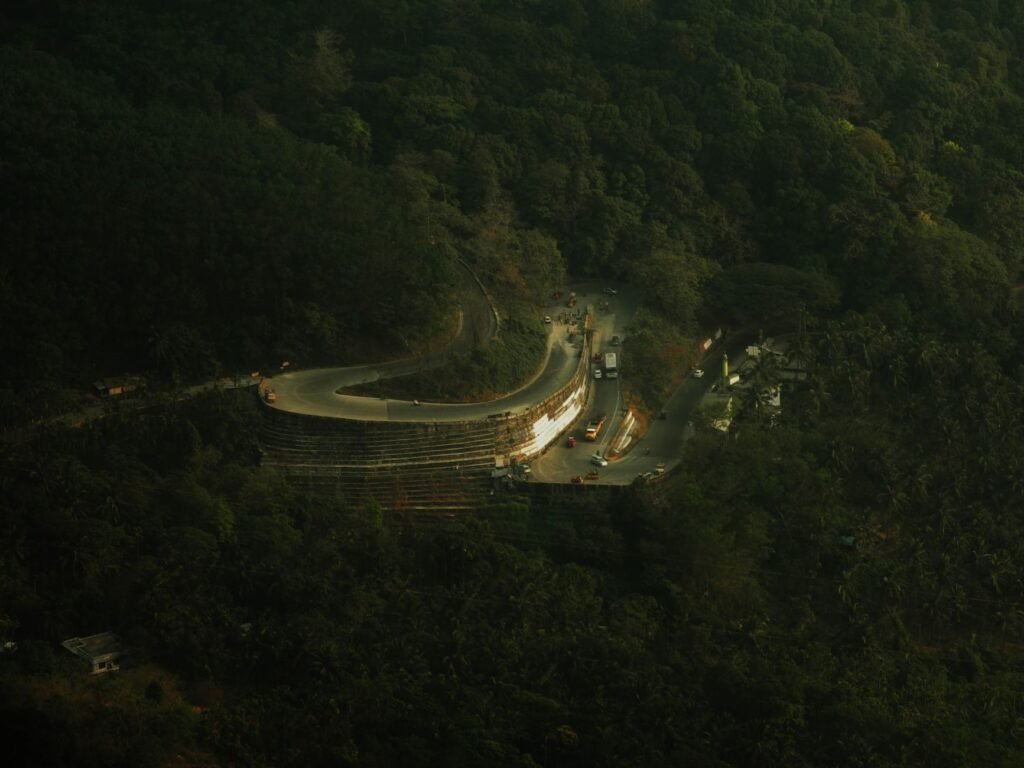
Most visitors approach Wayanad from Kozhikode (Calicut), navigating the famed Thamarassery ghat road with its exhilarating hairpin bends. The journey itself is part of the experience, as the plains slowly give way to the rising hills and the air grows cooler and fresher.
While public transport options exist, the true ease of exploring Wayanad, with its winding roads and dispersed attractions, comes with a private car and a local driver. They navigate the ghats with practiced ease, know the best routes between zones like Vythiri, Kalpetta, and Sulthan Bathery, and can offer insights into local culture. This allows you to simply lean back, gaze out at the shifting landscapes, and immerse yourself in the journey without the worries of directions or parking.
Summary – the honest bottom line
Wayanad is a destination that truly shines in every season, each bringing its own distinct flavour and beauty. The “best” time to visit ultimately depends on what kind of experience you seek. If cool, clear days and trekking are your priority, then the post-monsoon and winter months beckon. If you dream of lush, rain-washed landscapes and dramatic waterfalls, the monsoon will captivate you. And if quiet contemplation away from crowds is your aim, the shoulder seasons offer a serene embrace.
No matter when you choose to visit, Wayanad will offer moments of quiet beauty and gentle wonder, inviting you to slow down and truly connect with its timeless charm.
Plan your Wayanad trip with wayanadtrips.com – private cars, local drivers and sightseeing packages. Call 9746967281.
Watch the Short
Cover photo: Jansher Chakkittammal on Pexels