
Sightseeing

wayanad lakkidi viewpoint 1792654203717 1

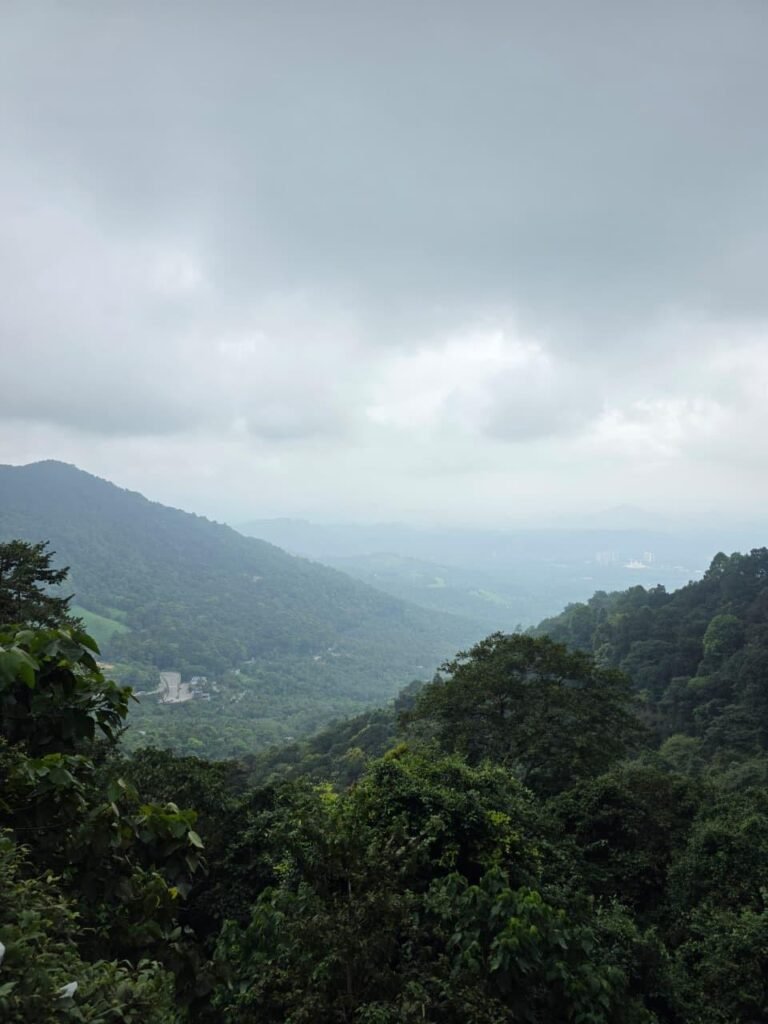
Wayanad Lakkidi Viewpoint Wayanad: Visitor Guide and 2-Day, 3-Day Trip Plan

By Hameed and the WayanadTrips team Welcome, dear friends, to the breathtaking Wayanad Lakkidi Viewpoint, a place that truly lives up to its name as the “Gateway of Wayanad.” As your local driver, I’ve brought countless visitors to this stunning spot, and every single time, the gasps of awe and the wide smiles are the same. It’s a view that stays with you long after you’ve left the hills. About Wayanad Lakkidi Viewpoint and Why Visit Lakkidi Viewpoint is one of the most spectacular spots in Wayanad, perched high at the top of the Thamarassery ghat pass. This is where the winding road from Kozhikode finally emerges into the cooler, greener landscapes of Wayanad. From this vantage point, you’re treated to an expansive panorama of the deep valleys below, the lush green hills stretching into the distance, and the incredibly intricate pattern of the road you’ve just ascended. It’s a perfect introduction to the natural beauty that awaits you in our district. Many visitors choose to stop here not just for the views, but also to truly feel the change in altitude and atmosphere. The air is noticeably cooler and fresher, often carrying the scent of mist and forest. It’s a wonderful spot to stretch your legs, take some memorable photographs, and simply soak in the majesty of the Western Ghats. For me, it’s always a joy to see guests’ faces light up as they take in this iconic view for the first time. Wayanad Lakkidi Viewpoint, Wayanad Best Time to Visit and How Long to Stay The best time to visit Lakkidi Viewpoint, and indeed most of Wayanad, is during the post-monsoon and winter months, roughly from October to March. During this period, the skies are generally clearer, offering crisp, unobstructed views of the valleys and hills. The weather is pleasantly cool, making it ideal for sightseeing. While the monsoon (June to September) brings a dramatic freshness to the landscape and the mist can create a mystical atmosphere, heavy rains can sometimes obscure the panoramic views, and the winding ghat road can be more challenging. It’s always best to check local weather conditions if you plan to visit during the rainy season. As for how long to stay, Lakkidi Viewpoint is primarily a stop for the view. Most visitors find that 30 to 60 minutes is ample time to enjoy the scenery, take photos, and perhaps grab a quick snack from the local vendors often present. There’s no extensive walking or activity here, just pure appreciation of the landscape. Getting There Lakkidi Viewpoint is located very close to the small town of Vythiri, one of Wayanad’s popular tourist hubs. For most visitors arriving from Kozhikode, Lakkidi is the first major landmark you encounter as you ascend the notorious Thamarassery ghat road. This road is famous, or perhaps infamous, for its nine sharp hairpin bends that navigate the steep slopes of the Western Ghats. Navigating these winding hill roads, especially the Thamarassery ghat, requires a skilled and experienced driver. The bends can be tight, and local knowledge of the road conditions and traffic flow is invaluable. This is where a private car with a local driver like myself becomes a real blessing. I’ve driven these roads for over 30 years, and I know every turn, every incline. You can relax, enjoy the thrilling ascent, and marvel at the engineering of the road without any stress about driving yourself. Parking at Lakkidi Viewpoint can be a bit challenging, especially during peak tourist times, as it’s a popular stop. A local driver will know the best and safest spots to pull over, allowing you to easily alight and take in the views. With us, your journey to the viewpoint is as comfortable and seamless as the view itself is spectacular. Wayanad Lakkidi Viewpoint, Wayanad What to See and Do At Lakkidi Viewpoint, the primary attraction is, without a doubt, the magnificent view. Here’s what you can see and do: Panoramic Views: Stand at the designated viewing areas and gaze out over the vast expanse of the Western Ghats. You’ll see the deep valleys, the verdant hills covered in dense forest, and if you look closely, the serpentine path of the Thamarassery ghat road winding its way up. It’s a sight that truly puts into perspective the scale of the mountains. Photography: This is a photographer’s paradise. Capture the sweeping landscapes, the distant mists, and the unique perspective of the hairpin bends. It’s an ideal spot for wide-angle shots and panoramic photos. Feel the Breeze: The elevation ensures a cool, refreshing breeze, a welcome change from the plains below. Take a moment to simply breathe in the clean mountain air. Observe the Road: If you’re interested in engineering or just enjoy a good driving challenge, you can watch other vehicles navigate the hairpin bends below. It’s quite a spectacle. There are usually small vendors selling tea, coffee, and local snacks, which can be a nice way to warm up or refresh yourself while enjoying the scenery. Remember to wear comfortable shoes, though extensive walking isn’t required here. A light jacket might be welcome, especially during cooler months or early mornings. Wayanad Lakkidi Viewpoint, Wayanad Nearby Places to Combine Lakkidi Viewpoint is ideally situated to be combined with several other wonderful attractions in the south-western and central parts of Wayanad. Since you’re already in the area, it makes perfect sense to explore these gems: Pookode Lake: Just a short drive from Lakkidi, Pookode Lake is a beautiful freshwater lake nestled amidst lush green hills. You can enjoy boating here (pedal boats and rowboats are available), take a leisurely stroll around the lake, or visit the freshwater aquarium. It’s a very peaceful and picturesque spot. Chain Tree: Close to Lakkidi, the Chain Tree is associated with a local legend about a tribal youth and the construction of the ghat road. It’s a brief, interesting stop for those curious about local folklore. Vythiri: This charming hill station is very near Lakkidi and is known for

Wayanad Lakkidi Viewpoint Wayanad: Visitor Guide and 2-Day, 3-Day Trip Plan Read More »
chembra peak 1792333760357 1

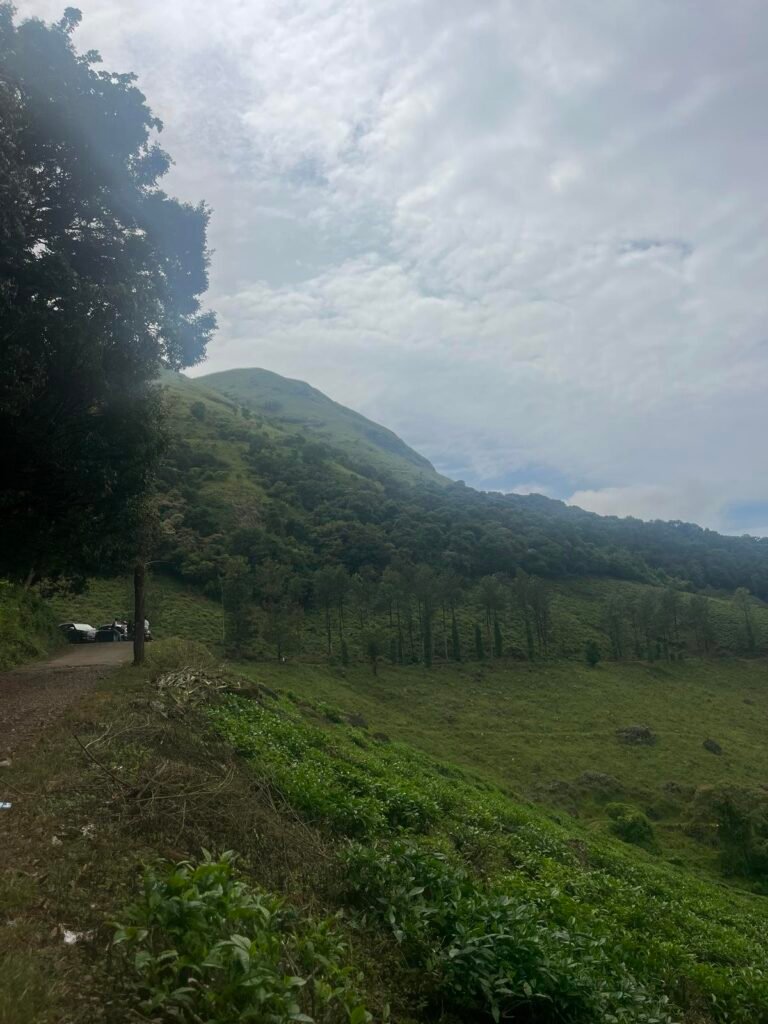
Chembra Peak Wayanad: Visitor Guide and 2-Day, 3-Day Trip Plan

By Hameed and the WayanadTrips team Welcome to Wayanad! Today, I want to tell you about one of the most magnificent spots we have here, a place that truly takes your breath away with its stunning views and refreshing air: Chembra Peak. It’s a favourite for many of my guests, and it’s easy to see why once you’re there, high above the clouds. About Chembra Peak and Why Visit Chembra Peak stands proudly as the highest peak in the Wayanad hill range, towering at an elevation that offers unparalleled panoramic views of the entire district and beyond. Located near Meppadi, it’s a paradise for nature lovers and adventurers alike. The trek up to the peak is an experience in itself, winding through lush tea estates and dense shola forests. What makes Chembra truly special is the famous heart-shaped lake, locally known as Hridaya Saras, nestled on the way to the summit. It’s a natural freshwater lake that is believed to have never dried up. This unique feature, along with the challenging yet rewarding trek, makes Chembra Peak a must-visit destination for anyone exploring Wayanad. The air is crisp, the greenery is vibrant, and the sense of achievement when you reach a viewpoint is truly wonderful. Chembra Peak, Wayanad Best Time to Visit and How Long to Stay The ideal time to visit Chembra Peak for trekking is typically from September to March. After the monsoon rains have refreshed the landscape, the hills are vibrantly green, and the weather is pleasantly cool and clear, offering the best visibility for those spectacular views. Avoid the peak monsoon season (June to August) as the trails can be slippery and trekking might be restricted due to heavy rain and mist. To fully enjoy the trek to the heart-shaped lake and back, you should allow at least half a day, roughly 3-4 hours, depending on your pace and how long you wish to spend soaking in the views. If you plan to go beyond, always check local regulations, as access to the very summit can sometimes be restricted by the forest department for safety and conservation reasons. Chembra Peak, Wayanad Getting There Chembra Peak is located near the charming town of Meppadi, which is about 8 km away. From Kalpetta, it’s approximately 17 km. The road leading to the base of Chembra Peak is well-maintained for most parts, but like many roads in our beautiful hills, it can become winding as you ascend. There’s parking available at the base where the trek begins. Navigating these winding hill roads, especially if you’re not familiar with the terrain, can be a bit challenging. This is where having a private car with a local driver like me really helps. I know these roads like the back of my hand, ensuring a smooth and safe journey. You can relax, enjoy the changing scenery, and arrive refreshed, ready for your trek, without worrying about directions or parking. What to See and Do The primary activity at Chembra Peak is, of course, the trek! The journey starts from the watchtower at the base, and you’ll gradually ascend through tea plantations and dense forests. The trail is well-marked but can be steep in places, so good walking shoes with a grip are essential. Carry plenty of water, some snacks, and perhaps a light jacket, as it can get breezy at higher altitudes. The highlight for many is reaching the heart-shaped lake, Hridaya Saras. It’s a truly picturesque spot and a great place to take a break, admire the unique natural formation, and capture some memories. From this point, you’ll be treated to magnificent views of the surrounding Wayanad hills, including parts of Kozhikode, Malappuram, and even the Nilgiri hills on a clear day. Remember to check with the local forest office or call us beforehand about the current status of the trek, as rules and accessibility can change, especially during different seasons or due to forest department regulations. It’s always best to be prepared! Chembra Peak, Wayanad Nearby Places to Combine The area around Chembra Peak is rich with other beautiful attractions, making it easy to combine your visit with other sights. You could explore the stunning Soochipara Falls (Sentinel Rock Waterfalls) or the equally beautiful Kanthanpara Falls, both offering refreshing dips and scenic views. The tranquil Pookode Lake, with its boating facilities, is another lovely spot to unwind. For those interested in tea, a visit to a local tea estate and factory in the Meppadi region can be very insightful. Chembra Peak, Wayanad 2-Day Wayanad Itinerary Including Chembra Peak Day 1: Hills, Heights & Views Morning: Chembra Peak Trek. Start early from your accommodation for the trek to the heart-shaped lake. Allow 3-4 hours. Lunch: Enjoy lunch at a local restaurant in Meppadi. Afternoon: Soochipara Falls. Head to Soochipara Falls for a refreshing experience amidst nature. The walk down to the falls can be a bit steep, but it’s worth it. Late Afternoon: Tea Estate Visit. Visit a nearby tea estate for a stroll and to learn about tea production. Day 2: Lakes, Caves & History Morning: Pookode Lake. Start your day with a peaceful visit to Pookode Lake for boating and enjoying the serene surroundings. Late Morning: Lakkidi Viewpoint. Drive to Lakkidi Viewpoint, offering spectacular views of the winding ghat road and valleys. Lunch: Have lunch in Kalpetta. Afternoon: Edakkal Caves. Explore the fascinating pre-historic rock carvings at Edakkal Caves (note: involves a walk and climb, check accessibility). Late Afternoon: Wayanad Heritage Museum (Ambalavayal). Learn about Wayanad’s rich history and tribal heritage. 3-Day Wayanad Itinerary Including Chembra Peak Day 1: Trekking & Waterfalls Morning: Chembra Peak Trek. Begin your Wayanad adventure with the trek to the heart-shaped lake at Chembra Peak. Lunch: Enjoy a traditional Kerala meal in Meppadi. Afternoon: Soochipara Falls. Rejuvenate with a visit to the magnificent Soochipara Falls. Late Afternoon: Kanthanpara Falls. A quieter, more gentle waterfall, perfect for relaxing after the bigger trek. Day 2: Lakes, Heritage & Scenic Drives Morning: Pookode Lake & Lakkidi

Chembra Peak Wayanad: Visitor Guide and 2-Day, 3-Day Trip Plan Read More »
wayanad muthanga 1792043177794 1

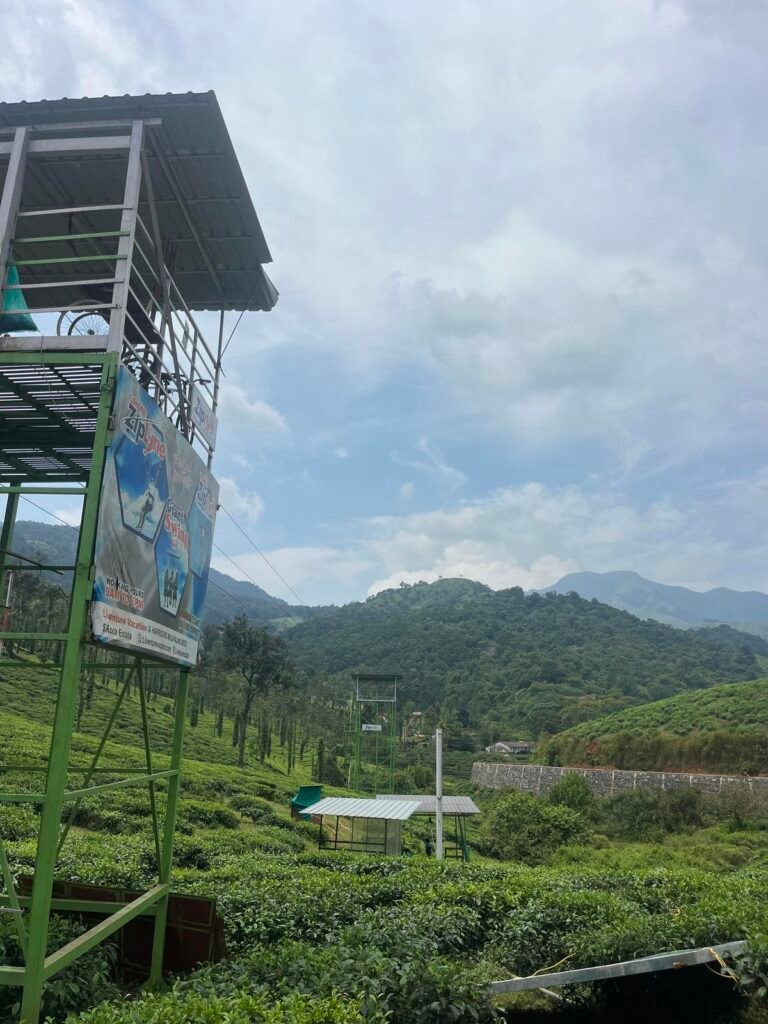
Wayanad Muthanga Wayanad: Visitor Guide and 2-Day, 3-Day Trip Plan

By Hameed and the WayanadTrips team Welcome to Wayanad! If you’re dreaming of encountering wildlife and experiencing the raw beauty of nature, then a visit to Muthanga is an absolute must. I recently took some guests there, and the lush greenery and the thrill of the forest always leave a lasting impression. About Muthanga and Why Visit Muthanga is a significant part of the Wayanad Wildlife Sanctuary, which itself is an integral component of the Nilgiri Biosphere Reserve. This beautiful sanctuary is a haven for a variety of flora and fauna, making it one of the most important wildlife conservation areas in Kerala. Spreading over a vast area, it connects with Bandipur and Mudumalai sanctuaries, allowing for a healthy ecosystem for many species. Visiting Muthanga offers a unique opportunity to immerse yourself in a tropical moist deciduous forest. It’s a place where you can feel truly connected to nature, away from the hustle and bustle of city life. The main draw here is the chance to go on a jeep safari, which takes you deep into the sanctuary, offering glimpses of the rich biodiversity that thrives within. Wayanad Muthanga, Wayanad Best Time to Visit and How Long to Stay The best time to visit Muthanga for wildlife sightings is generally after the monsoon, from October to May. During these months, the weather is pleasant, and the forest is verdant and alive. The monsoon season (June to September) brings heavy rains, which can sometimes lead to temporary closures of the safari routes, or make sightings more challenging, though the landscape is incredibly lush. To experience Muthanga properly, you should allocate at least half a day. This allows enough time for the safari itself, plus travel to and from the sanctuary entrance, and any waiting time. The safari typically lasts a couple of hours, but the overall experience requires a relaxed approach to truly appreciate the surroundings. Getting There Muthanga is located in the eastern part of Wayanad, with Sulthan Bathery being the nearest major town, just a short drive away. The roads leading to the sanctuary entrance are generally well-maintained, but once you enter the sanctuary area for the safari, you’ll be on designated routes with a forest department vehicle. Parking is available at the sanctuary entrance. When visiting places like Muthanga, having a private car with a local driver like me makes the journey incredibly easy and comfortable. We know the routes, the best times to arrive, and can navigate the Wayanad roads with ease, especially the winding sections and ghat roads that are typical of our hill station. You simply relax and enjoy the scenery. Wayanad Muthanga, Wayanad What to See and Do The primary activity at Muthanga is the guided jeep safari. These safaris are conducted by the forest department, taking visitors through specific trails within the sanctuary. While sightings are never guaranteed, the sanctuary is known for its population of elephants, deer, bison (gaur), and various species of monkeys. If you’re lucky, you might even spot a tiger or a leopard, though these are much rarer. Beyond the potential for wildlife sightings, the safari itself is a wonderful experience. You’ll drive through dense forests, past bamboo groves, and open grasslands, all while listening to the sounds of nature. It’s a chance to breathe fresh air and appreciate the quiet majesty of the forest. Remember to wear comfortable clothing, preferably in muted colours, and sturdy footwear. Carry water and a camera, but keep noise to a minimum to avoid disturbing the animals. It’s always a good idea to check the current safari timings and availability before you plan your visit, as these can change. Wayanad Muthanga, Wayanad Nearby Places to Combine Muthanga is situated in the eastern zone of Wayanad, which offers several other interesting attractions that can be easily combined in a day’s trip: Edakkal Caves: A fascinating archaeological site with ancient rock carvings, offering a glimpse into prehistoric human settlements. It involves a trek up a hill, so be prepared for some physical activity. Sulthan Bathery: A bustling town with historical significance, including the ancient Jain Temple, which now serves as an archaeological monument. Ambalavayal Heritage Museum: Located near Ambalavayal, this museum houses a collection of ancient artifacts and tribal relics, providing insights into Wayanad’s rich cultural past. 2-Day Wayanad Itinerary Including Muthanga Here’s a practical itinerary to help you experience Wayanad, with Muthanga as a highlight, ensuring a sensible driving order for convenience. Day 1: Arrival, History, and Local Life Morning: Arrive in Wayanad, perhaps via the scenic Thamarassery ghat road from Kozhikode. Late Morning: Head to Sulthan Bathery. Visit the ancient Jain Temple, a quiet and historically rich spot right in the town. Afternoon: Proceed to Edakkal Caves. Enjoy the trek up to the caves and marvel at the prehistoric rock art. Allow a good 2-3 hours here. Evening: Check into your accommodation in or around Sulthan Bathery. Enjoy the local cuisine. Day 2: Wildlife and Departure Morning: Early start for Muthanga Wildlife Sanctuary. Embark on the jeep safari and immerse yourself in the natural beauty and search for wildlife. Allow 3-4 hours for the entire experience, including travel and waiting time. Late Morning/Early Afternoon: After the safari, visit the Ambalavayal Heritage Museum for a dose of local history and culture. Afternoon: Begin your journey back, taking with you wonderful memories of Wayanad’s wildlife and heritage. Wayanad Muthanga, Wayanad 3-Day Wayanad Itinerary Including Muthanga For those with a little more time, a 3-day trip allows for a broader exploration of Wayanad’s diverse attractions. Day 1: Scenic Beauty and Lakeside Charm Morning: Arrive in Wayanad. Start your day with a visit to Pookode Lake near Vythiri. Enjoy boating or a leisurely walk around this serene freshwater lake surrounded by lush forests. Late Morning: Drive up to Lakkidi View Point, offering breathtaking panoramic views of the Western Ghats and the winding Thamarassery ghat road. Afternoon: Head towards the central zone. Visit Karlad Lake, another beautiful spot for activities like ziplining or kayaking, or simply relaxing

Wayanad Muthanga Wayanad: Visitor Guide and 2-Day, 3-Day Trip Plan Read More »
phantom rock 1791779097364 1

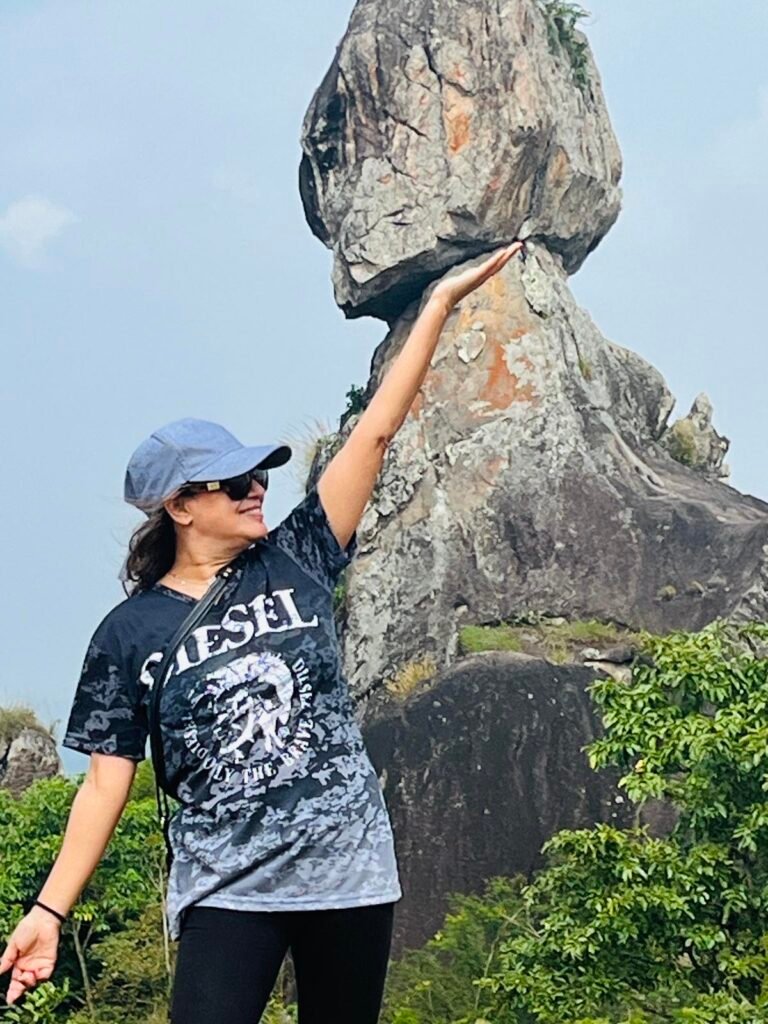
Phantom Rock Wayanad: Visitor Guide and 2-Day, 3-Day Trip Plan

By Hameed and the WayanadTrips team Welcome to Wayanad! If you’re looking for a unique natural wonder with breathtaking views, let me introduce you to Phantom Rock, or Cheengeri Mala, as it’s known locally. This distinctive rock formation is one of Wayanad’s hidden gems, offering a memorable stop on your hill station adventure. About Phantom Rock and Why Visit Phantom Rock is a fascinating natural rock formation that has been shaped by centuries of weathering into a distinctive skull-like or phantom-like appearance. It’s truly a sight to behold, standing majestically amidst the lush green hills of Wayanad. The sheer uniqueness of its shape makes it a popular spot for photographers and nature lovers alike. Beyond its intriguing form, Phantom Rock is also renowned for the spectacular panoramic hill views it offers of the surrounding landscape. From this vantage point, you can soak in the vast expanse of Wayanad’s rolling hills, verdant valleys, and clear skies. It’s a wonderful place to feel truly immersed in nature and appreciate the natural beauty of our region. As Hameed often says, it’s all about that “Ambalavayal hill view” from Phantom Rock! Phantom Rock, Wayanad Best Time to Visit and How Long to Stay The best time to visit Phantom Rock, and Wayanad in general, is from September to March. During these months, the weather is pleasantly cool and dry, making it ideal for sightseeing and exploring. The monsoon season (June to August) transforms the landscape into a vibrant green paradise, but heavy rains can sometimes make access to certain areas tricky, and the rock itself might be slippery. You’ll want to set aside about 1 to 1.5 hours to fully enjoy Phantom Rock. This allows plenty of time to walk around the base, marvel at its unique shape, take photographs, and simply relax while enjoying the expansive views. The approach to the rock involves a short walk, so comfortable shoes are a good idea. Phantom Rock, Wayanad Getting There Phantom Rock is located near Ambalavayal, a small town in the eastern part of Wayanad. From Ambalavayal, it’s a short drive to reach the base of the rock. The roads leading up to the site, like many in Wayanad, are winding and can be narrow in places. Navigating these hill roads can be a bit challenging if you’re not familiar with the terrain. This is where a private car with a local driver really makes a difference. I’ve been driving these roads for 30 years, and I know every twist and turn. A local driver can get you to Phantom Rock safely and comfortably, allowing you to relax and enjoy the scenic journey without worrying about directions or parking. There’s usually space to park your vehicle at the base before a short walk to the rock itself. What to See and Do The main attraction at Phantom Rock is, of course, the rock formation itself. Take your time to walk around it and appreciate its unique shape from different angles. It truly looks like a giant skull or a mysterious phantom from certain perspectives. Bring your camera, as this is a fantastic spot for some memorable photographs. Beyond the rock, the star attraction is the “hill view” that Hameed always talks about. The panoramic vistas of the surrounding Wayanad hills are simply stunning. It’s a perfect spot to breathe in the fresh air, enjoy the tranquility, and soak in the natural beauty. You can spend time simply gazing out at the verdant landscape, which stretches as far as the eye can see. It’s a relatively easy visit, requiring only a short walk, so it’s suitable for most visitors. Dress comfortably and wear sturdy shoes. Phantom Rock, Wayanad Nearby Places to Combine Phantom Rock is conveniently located in an area with several other popular Wayanad attractions. You can easily combine a visit here with: Edakkal Caves: Famous for its ancient petroglyphs, offering a glimpse into prehistoric civilizations. It requires a bit of a trek uphill, but the history and views are rewarding. Ambalavayal Heritage Museum: A treasure trove of artifacts and relics that tell the story of Wayanad’s tribal heritage and history. Wayanad Wildlife Sanctuary (Muthanga): Home to diverse wildlife, including elephants, deer, and various bird species. A jeep safari here is a great way to experience the local fauna. Sultan Bathery Jain Temple: An ancient temple with intricate carvings, showcasing the rich history of the region. Banasura Sagar Dam: One of the largest earth dams in India, offering boating facilities and beautiful views. Phantom Rock, Wayanad 2-Day Wayanad Itinerary Including Phantom Rock If you have two days to explore Wayanad and want to include the unique Phantom Rock, here’s a practical itinerary: Day 1: East Wayanad Exploration Morning: Arrive in Wayanad via the scenic Thamarassery ghat road. Check into your accommodation. Late Morning/Afternoon: Head to Edakkal Caves. The walk up to the caves can be a bit steep, but the ancient carvings and the views from the top are well worth the effort. Allow 2-3 hours. Afternoon: Visit the Ambalavayal Heritage Museum to learn about Wayanad’s rich history and tribal culture. Late Afternoon: Drive to Phantom Rock. Spend an hour or so enjoying the unique rock formation and the panoramic “Ambalavayal hill view” as the sun begins to soften. Evening: Return to your accommodation. Day 2: Central Wayanad Highlights Morning: After breakfast, drive to Banasura Sagar Dam. Enjoy the vast reservoir, the surrounding hills, and perhaps a speed boat ride. Allow 2-3 hours. Late Morning: Head to Karlad Lake, where you can enjoy ziplining or kayaking if you’re feeling adventurous, or simply relax by the water. Afternoon: Visit Pookode Lake, a serene freshwater lake nestled amidst lush forests. Enjoy boating or a leisurely walk around the lake. Late Afternoon: Depending on your departure point, you might stop at Lakkidi Viewpoint for a final panoramic view of the ghat road. Evening: Depart from Wayanad. 3-Day Wayanad Itinerary Including Phantom Rock For those with a little more time, a three-day trip allows you to delve deeper

Phantom Rock Wayanad: Visitor Guide and 2-Day, 3-Day Trip Plan Read More »
nettara gramam 1791596258474 1

Nettara Gramam Wayanad: Visitor Guide and 2-Day, 3-Day Trip Plan

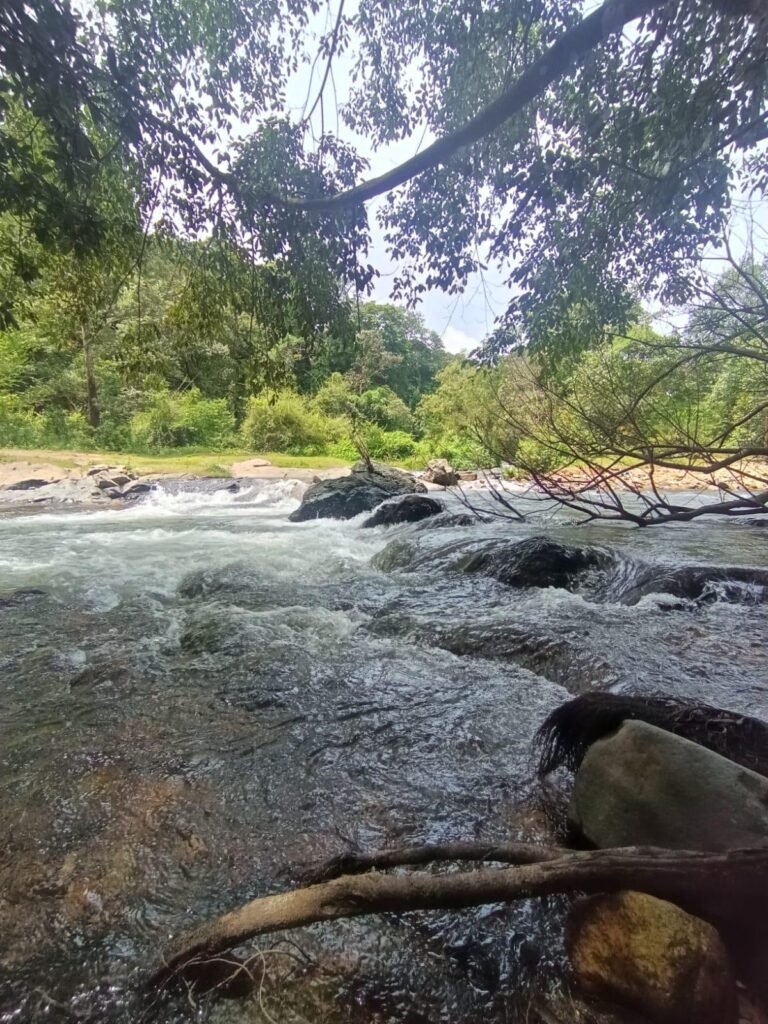
By Hameed and the WayanadTrips team Welcome to Nettara Gramam, a charming riverside village in Wayanad that offers a peaceful escape into the heart of rural Kerala. I recently had the pleasure of taking some guests to this beautiful spot, and it’s truly a place where you can slow down and soak in the natural beauty of our region. About Nettara Gramam and Why Visit Nettara Gramam, as I know it, is a lovely riverside village, a place where life unfolds at a gentle pace. Nestled beside a serene river, it offers a glimpse into the authentic Wayanad rural lifestyle. If you’re looking to step away from the usual tourist crowds and experience the tranquil side of Wayanad, this is a wonderful destination. Visiting Nettara Gramam is all about connecting with nature and local life. You can hear the gentle flow of the river, see the lush greenery that surrounds the village, and observe the daily routines of the villagers. It’s a place for quiet contemplation, gentle walks, and simply enjoying the refreshing air and peaceful atmosphere that a riverside setting provides. It’s perfect for those who appreciate natural beauty and wish to experience the true essence of Wayanad beyond its famous landmarks. Nettara Gramam, Wayanad Best Time to Visit and How Long to Stay The best time to visit Nettara Gramam, like much of Wayanad, is generally from October to May. The post-monsoon months from October to February offer lush landscapes and pleasant, cool weather, making it ideal for exploring. March to May can be warmer, but still very enjoyable, especially by the river. The monsoon season, from June to September, brings heavy rains. While Wayanad is incredibly green during this time, some outdoor activities might be restricted, and river levels can be high. It’s always a good idea to check local conditions if you plan to visit during the monsoon. For Nettara Gramam itself, you might want to spend anywhere from a couple of hours to half a day, depending on how much you wish to relax and explore the village surroundings. If you’re looking for a tranquil retreat, you could easily spend more time just enjoying the quietude. Nettara Gramam, Wayanad Getting There Nettara Gramam is located within Wayanad, and like many of our beautiful hidden gems, it’s best accessed by road. The nearest major towns in Wayanad would be Kalpetta, Mananthavady, or Sulthan Bathery, depending on its exact location. From any of these towns, you’ll embark on a journey through picturesque Wayanad roads. The roads leading to and within Wayanad are known for their winding nature, especially the ghat roads with their famous hairpin bends if you’re approaching from Kozhikode. While incredibly scenic, these roads require careful driving. This is where having a local driver, someone like me, who knows every twist and turn, really makes a difference. I can navigate these routes comfortably, allowing you to simply relax and enjoy the stunning views without any worries about directions or road conditions. Parking in a village like Nettara Gramam is usually straightforward, but having a private car means flexibility and ease right to your destination. What to See and Do Nettara Gramam is less about specific attractions and more about the experience of a serene riverside village. Here’s what I suggest you see and do: Riverside Walks: The highlight of Nettara Gramam is undoubtedly its river. Take a leisurely walk along its banks. Listen to the gentle sounds of the water, feel the cool breeze, and simply enjoy the peaceful atmosphere. It’s a wonderful spot for quiet reflection and to connect with nature. Experience Village Life: Observe the daily routines of the local community. You might see farmers working in their fields, children playing, or villagers going about their day. It’s a genuine insight into rural Kerala life, far removed from the hustle and bustle of cities. Photography: With its lush green landscapes, clear river waters, and traditional village scenes, Nettara Gramam offers many opportunities for beautiful photographs. Capture the serene beauty and the authentic charm of the village. Relax and Recharge: This is an ideal place to simply sit back, breathe in the fresh air, and unwind. Pack a book, or just enjoy the quietude. It’s a perfect spot for those seeking a break from their busy lives. When visiting, comfortable walking shoes are highly recommended, as you’ll likely be exploring on foot. Light clothing suitable for a tropical climate is also advisable. Remember to carry water, and perhaps some snacks, as amenities in a small village might be limited. Always respect local customs and privacy when observing village life. Nettara Gramam, Wayanad Nearby Places to Combine To make the most of your trip, Nettara Gramam can be wonderfully combined with other attractions in central or northern Wayanad. Here are a few suggestions: Banasura Sagar Dam: This is India’s largest earth dam and a stunning sight. You can enjoy speed boating, a walk across the dam, and the beautiful views of the surrounding hills. It’s a popular spot and offers a different kind of natural beauty. Karlad Lake: A serene lake offering zip-lining, boating, and kayaking. It’s a lovely, less crowded alternative to Pookode Lake, perfect for some gentle adventure or just relaxation. Kuruva Island: A protected river delta, Kuruva Island offers bamboo rafting and guided walks through dense, evergreen forests. It’s a unique ecological hotspot, but remember to check its opening status as it can close due to high river levels or forest department regulations. Thirunelli Temple: A very ancient and beautiful temple nestled in the Brahmagiri hills, surrounded by forests. It’s known for its stunning architecture and spiritual significance, often called the “Kashi of the South.” Nettara Gramam, Wayanad 2-Day Wayanad Itinerary Including Nettara Gramam Here’s a practical itinerary for a short but fulfilling trip, with Nettara Gramam as a peaceful highlight: Day 1: Nature and Tranquility Morning: Arrive in Wayanad, check into your accommodation. Late Morning/Afternoon: Head to Banasura Sagar Dam. Enjoy the scenic drive, take a walk across the dam,

Nettara Gramam Wayanad: Visitor Guide and 2-Day, 3-Day Trip Plan Read More »
meppadi tea estates 1791510709996 1

Meppadi Tea Estates Wayanad: Visitor Guide and 2-Day, 3-Day Trip Plan

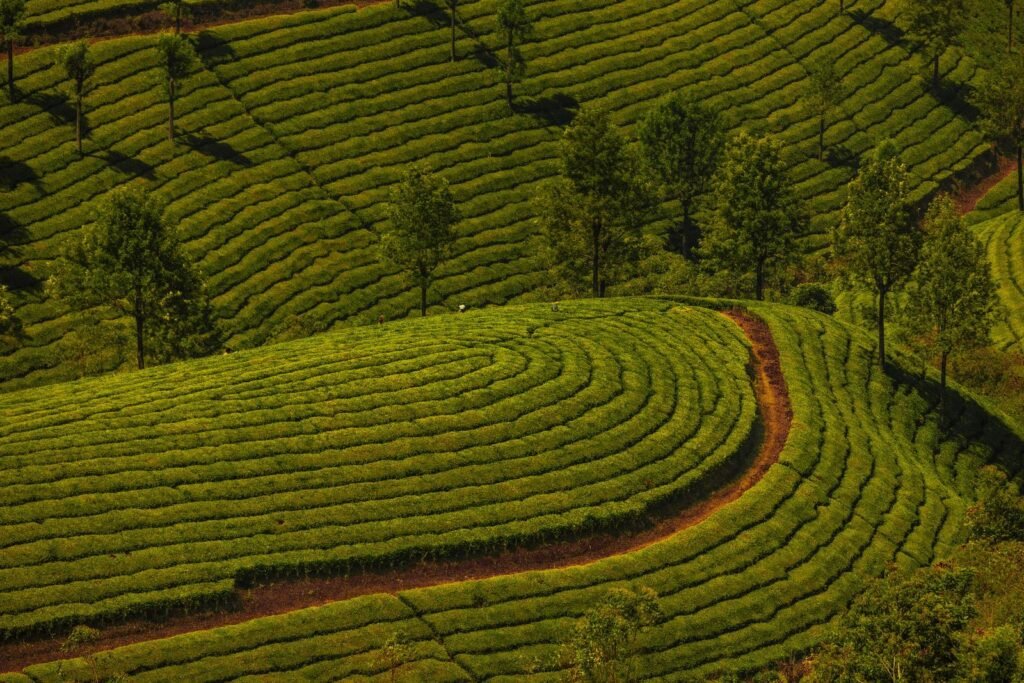
By Hameed and the WayanadTrips team Welcome to the heart of Wayanad, where the rolling hills meet the sky and the air is always fresh and cool. I recently had the pleasure of taking some guests to the beautiful Meppadi Tea Estates, and it’s a sight that never fails to charm. About Meppadi Tea Estates and Why Visit Meppadi, nestled in the southern part of Wayanad, is renowned for its vast and verdant tea plantations. It’s a place where you can truly immerse yourself in the serene beauty of nature. Imagine endless carpets of lush green tea bushes, stretching as far as the eye can see, all set against a backdrop of mist-kissed mountains. Hameed often notes that the cool weather here makes it perfect for sightseeing and simply enjoying the tranquility. Walking through these estates offers a refreshing escape from the hustle and bustle, providing a peaceful experience for anyone looking to reconnect with nature. Meppadi Tea Estates, Wayanad Best Time to Visit and How Long to Stay Wayanad enjoys a pleasant climate for most of the year, but the tea estates are particularly stunning after the monsoon, from September to March, when everything is vibrantly green and the air is crisp. Even during the monsoon (June to August), the misty atmosphere gives the estates a magical, ethereal feel, though heavy rains can sometimes limit outdoor activities. To truly appreciate the Meppadi Tea Estates, I recommend setting aside at least 2 to 3 hours. This allows you enough time to stroll through the plantations, take in the breathtaking views, and capture some wonderful memories. If you’re planning to visit any tea factories (where available), allow a bit more time. Getting There Meppadi is easily accessible and a well-known town in Wayanad. The journey to the tea estates from nearby towns like Kalpetta or Vythiri involves navigating some lovely winding hill roads. While these roads offer stunning vistas, they can be narrow and require careful driving. Parking is usually available near popular viewing points or tea factory entrances. Having a private car with a local driver, like myself, makes the journey much smoother and more enjoyable. We know the best routes, the safest spots to pull over for photos, and can help you make the most of your time on these scenic but sometimes challenging roads. Meppadi Tea Estates, Wayanad What to See and Do The primary attraction at Meppadi Tea Estates is, of course, the magnificent scenery. Take your time to walk along the pathways that crisscross the plantations. The scent of fresh tea leaves in the air is invigorating, and the views are simply spectacular. It’s an ideal spot for photography enthusiasts and anyone who loves a good, gentle walk. Many estates offer opportunities for visitors to see the tea plucking process, especially during harvesting seasons. Some might also have small tea factories where you can learn about how tea is processed, from leaf to cup. Always check locally for current availability and any entry requirements. When exploring, comfortable walking shoes are a must. The terrain is generally easy, but you’ll be on your feet for a while. Light layers of clothing are advisable, as the weather can change quickly in the hills. And don’t forget your camera to capture the endless green vistas! Meppadi Tea Estates, Wayanad Nearby Places to Combine Meppadi is strategically located, making it easy to combine with several other Wayanad attractions: Chembra Peak: One of Wayanad’s highest peaks, offering breathtaking views. While a full trek requires permits, even the base and surrounding areas provide lovely sights. Soochipara Falls (Sentinel Rock Falls): A stunning three-tiered waterfall where you can often cool off in the natural pools. Kanthanpara Falls: A smaller, more secluded waterfall, perfect for a peaceful picnic. Karlad Lake: A serene lake offering boating and zip-lining activities, great for families. Banasura Sagar Dam: India’s largest earth dam, known for its picturesque setting and boating options. 2-Day Wayanad Itinerary Including Meppadi Tea Estates Day 1 Morning: Arrive in Wayanad via the scenic Thamarassery ghat road. Head straight to Meppadi and spend a refreshing few hours exploring the Meppadi Tea Estates. Enjoy the cool weather and lush green views. Lunch: Have lunch at a local eatery in Meppadi or Kalpetta. Afternoon: Visit Soochipara Falls for some natural beauty and a refreshing dip (check current status). Alternatively, enjoy boating and adventure activities at Karlad Lake. Evening: Relax at your accommodation. Day 2 Morning: Explore the eastern part of Wayanad. Visit the ancient Edakkal Caves (be prepared for a moderate climb) to see prehistoric rock carvings. Lunch: Enjoy lunch in Sulthan Bathery. Afternoon: Discover the wildlife at Muthanga Wildlife Sanctuary (safari timings vary, check availability) or explore the historical attractions around Sulthan Bathery. Evening: Depart from Wayanad. Meppadi Tea Estates, Wayanad 3-Day Wayanad Itinerary Including Meppadi Tea Estates Day 1 Morning: Arrive in Wayanad and head to the southern zone. Begin your exploration at the tranquil Meppadi Tea Estates. Enjoy a leisurely stroll and the cool, fresh air. Lunch: Savor local cuisine in Meppadi or a nearby town. Afternoon: Proceed to Soochipara Falls (check accessibility) for its magnificent cascades, or opt for the peaceful Kanthanpara Falls. Evening: Return to your stay in the Vythiri/Kalpetta area. Day 2 Morning: After breakfast, head towards central Wayanad. Visit Banasura Sagar Dam, India’s largest earth dam, offering stunning reservoir views and boating opportunities. Lunch: Enjoy lunch near the dam or in Kalpetta. Afternoon: Spend time at Karlad Lake for some relaxed boating or zip-lining amidst beautiful surroundings. You could also visit the Pookode Lake, a beautiful freshwater lake surrounded by evergreen forests. Evening: Explore Kalpetta town or relax. Day 3 Morning: Journey to the northern zone of Wayanad. Visit Kuruva Island (check forest department rules and accessibility, especially during monsoon) for a unique river island experience, or the ancient Thirunelli Temple, nestled in the Brahmagiri hills. Lunch: Have lunch in Mananthavady or near your chosen northern attraction. Afternoon: Depending on your interests, visit the Wayanad Heritage Museum in Ambalavayal or

Meppadi Tea Estates Wayanad: Visitor Guide and 2-Day, 3-Day Trip Plan Read More »
muthanga wildlife sancutary 1791509781827 1

Muthanga Wildlife Sancutary Wayanad: Visitor Guide and 2-Day, 3-Day Trip Plan

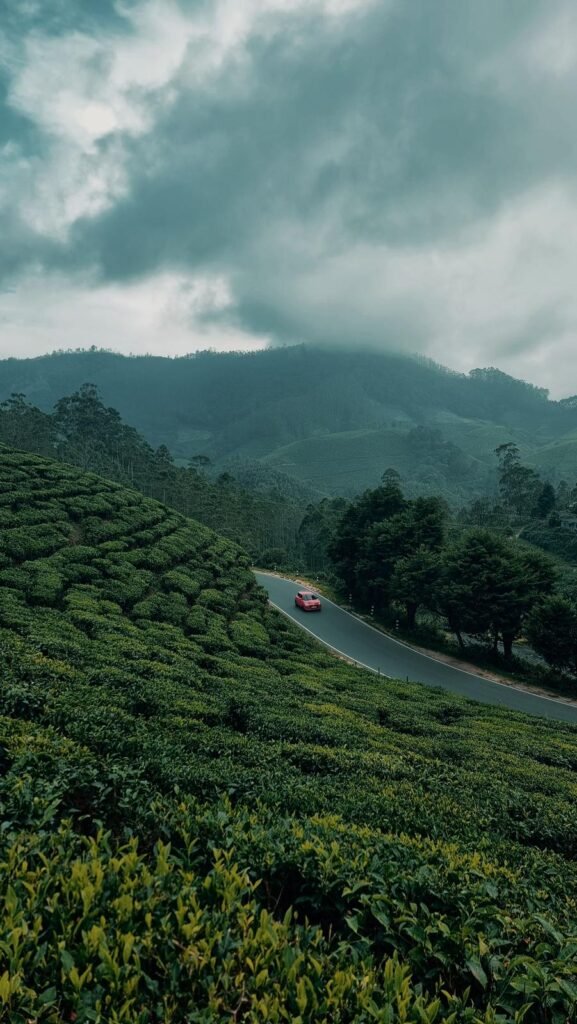
By Hameed and the WayanadTrips team Welcome to Muthanga, a beautiful corner of Wayanad where the wild heart of nature beats strong! I’m Hameed, and I’ve been driving guests through these parts for thirty years. Muthanga Wildlife Sanctuary is a place that always leaves a lasting impression, with its lush forests and the exciting possibility of encountering some of Wayanad’s incredible wildlife. About Muthanga Wildlife Sanctuary and Why Visit Muthanga Wildlife Sanctuary, also known as Wayanad Wildlife Sanctuary, is a vital part of the Nilgiri Biosphere Reserve. It’s one of the largest protected areas in Kerala, sharing its borders with the protected areas of Bandipur in Karnataka and Mudumalai in Tamil Nadu. This extensive forest cover creates a rich ecosystem, making it a haven for a diverse range of flora and fauna. For visitors, Muthanga offers a unique opportunity to experience a true jungle drive. As my recent guests and I can attest, the journey through the sanctuary itself is a beautiful experience, with towering trees and dense greenery all around. It’s a chance to step away from the everyday and immerse yourself in the tranquility of nature. The main draw, of course, is the wildlife. The sanctuary is home to a variety of animals, including elephants, deer, bison, monkeys, and many species of birds. If you’re very lucky and patient, you might even catch a glimpse of a tiger or a leopard, though these majestic creatures are shy and harder to spot. It’s the thrill of the chase, the quiet anticipation, that makes a visit to Muthanga so special. Muthanga Wildlife Sancutary, Wayanad Best Time to Visit and How Long to Stay The best time to visit Muthanga Wildlife Sanctuary is generally during the dry season, from October to May. During these months, the forest cover is less dense, and animals often come out to water holes, increasing your chances of spotting them. The weather is also more pleasant for a safari. The monsoon season (June to September) transforms the sanctuary into a vibrant, lush green paradise, which is beautiful in its own right. While animal sightings might be a bit more challenging due to the dense foliage and heavy rain, the sheer beauty of the refreshed jungle is breathtaking. However, some safari routes might be temporarily closed during very heavy rains for safety. For the safari itself, plan to spend around 2 to 3 hours. This allows enough time to drive through the designated routes and patiently look for wildlife. It’s always a good idea to arrive early in the morning or late in the afternoon, as these are typically the best times for animal activity. Muthanga Wildlife Sancutary, Wayanad Getting There Muthanga Wildlife Sanctuary is located in the eastern part of Wayanad, with the nearest major town being Sulthan Bathery. From Sulthan Bathery, it’s a relatively short drive to the sanctuary entrance. If you’re coming from other parts of Wayanad like Kalpetta or Vythiri, it will be a longer but scenic journey. The roads leading to and within the sanctuary are generally well-maintained, but they are winding and pass through forest areas. Having a private car with a local driver like me makes the journey much more relaxed. I know these roads inside out, and I can navigate the turns and narrow stretches with ease, allowing you to simply enjoy the scenery without worrying about driving or parking. Parking is usually available near the safari starting point. Wayanad’s approach roads, especially the Thamarassery ghat road from Kozhikode, are famous for their hairpin bends. It’s a truly scenic drive, but one that benefits greatly from the experience of a driver who knows the hills well. We can ensure a smooth and safe journey, letting you focus on the excitement of your upcoming safari. What to See and Do The primary activity at Muthanga Wildlife Sanctuary is the jeep safari. These safaris are conducted in open jeeps, accompanied by experienced guides or forest department staff. The safari takes you deep into the jungle, along specific trails designed to maximize your chances of seeing wildlife. During the safari, keep your eyes peeled and your camera ready! Look for movement in the trees, listen for calls, and scan the clearings. While sightings of majestic animals like elephants are fairly common, every safari is different, and there’s no guarantee of spotting specific creatures. It’s the thrill of the possibility that truly excites visitors. Remember to wear comfortable clothing in neutral colours, and good walking shoes, though most of the experience is from the jeep. It’s also wise to carry binoculars for better viewing, and a bottle of water. Always follow the instructions of your guide, maintain silence, and avoid disturbing the animals or their habitat. It is crucial to remember that trek permits, entry rules, and safari timings can change, so it’s always best to check the current status and availability locally or by calling us before your visit. Muthanga Wildlife Sancutary, Wayanad Nearby Places to Combine Muthanga is located in the eastern zone of Wayanad, which means there are several other fascinating attractions nearby that you can easily combine with your visit: Edakkal Caves: Just a short drive from Sulthan Bathery, these ancient caves are famous for their Neolithic rock etchings. It’s a bit of a trek up to the caves, but the views and the historical significance are well worth the effort. Ambalavayal Heritage Museum: Located in Ambalavayal, this museum offers a glimpse into the rich tribal heritage and history of Wayanad. It houses a collection of ancient tools, weapons, and pottery. Jain Temple, Sulthan Bathery: This ancient temple, believed to have been built in the 13th century, is a historical marvel. It was once used by Tipu Sultan as a battery (ammunition store), giving the town its name. Phantom Rock: A natural rock formation resembling a skull, offering unique photo opportunities and a pleasant short visit. Muthanga Wildlife Sancutary, Wayanad 2-Day Wayanad Itinerary Including Muthanga Here’s a suggestion for a relaxed 2-day trip focusing on the eastern and

Muthanga Wildlife Sancutary Wayanad: Visitor Guide and 2-Day, 3-Day Trip Plan Read More »
kurumbalakotta 1791446717498 1

Kurumbalakotta Wayanad: Visitor Guide and 2-Day, 3-Day Trip Plan

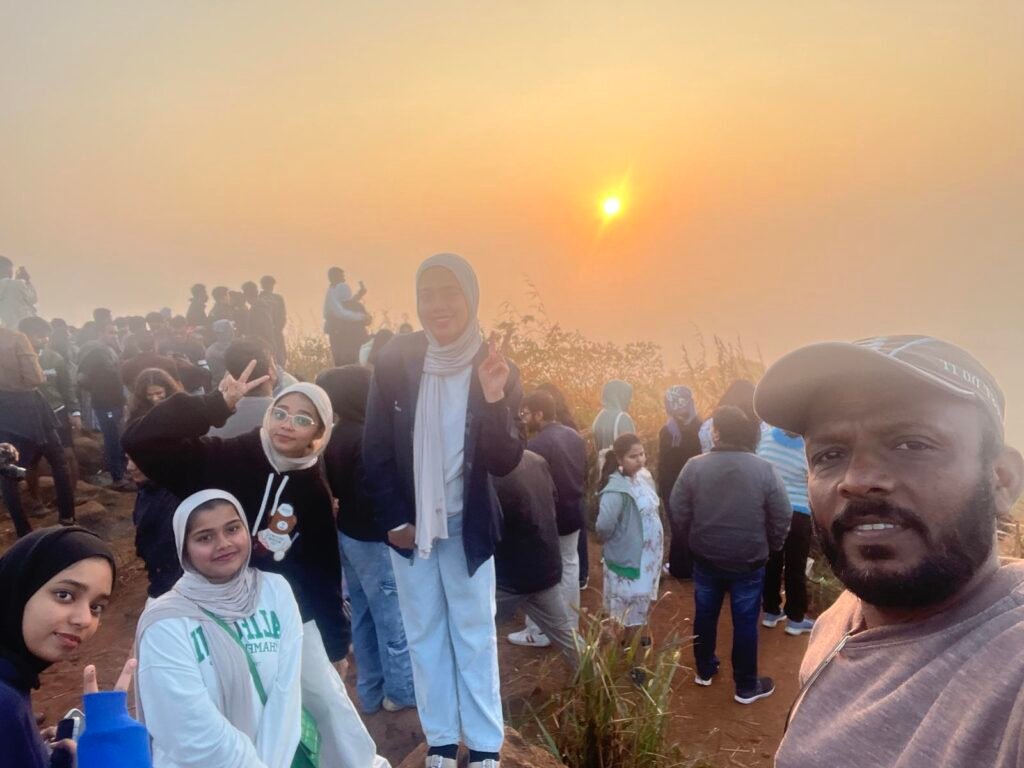
By Hameed and the WayanadTrips team Welcome to Wayanad! There’s a special magic in our hills, and places like Kurumbalakotta truly capture it. It’s a spot that many visitors cherish for its breathtaking views, and I love taking guests there to witness the serene beauty of our land from above. About Kurumbalakotta and Why Visit Kurumbalakotta is a prominent hill in Wayanad, offering panoramic views of the surrounding landscape. It’s one of those places where you can feel truly connected to nature, with the cool breeze and the expansive sky stretching out before you. For those who love a good viewpoint and the tranquility of the hills, Kurumbalakotta is a wonderful destination. From its summit, you can often see a mosaic of green valleys, distant mountains, and perhaps even glimpses of dams or other Wayanad landmarks on a clear day. It’s a fantastic spot for photography, or simply to sit and absorb the peace and quiet away from the bustle of everyday life. Kurumbalakotta, Wayanad Best Time to Visit and How Long to Stay The best time to visit Kurumbalakotta, like most of Wayanad, is during the post-monsoon months from October to February. The weather is cool and pleasant, and the air is clear, offering the best visibility for those stunning views. Early mornings are particularly magical, as you might catch the sunrise painting the sky with vibrant colours, or witness the mist slowly lifting from the valleys below. During the monsoon (June to September), the area can be quite wet and slippery, and heavy fog might obscure the views. Summers (March to May) can be warm, though the hilltops generally offer a cooler respite. I always recommend checking the local weather forecast before you head out. To fully enjoy Kurumbalakotta, I’d suggest allowing at least 1.5 to 2 hours. This gives you enough time to make the ascent, soak in the views, take photos, and relax before heading to your next destination. If you’re planning a sunrise visit, allow extra time for the journey in the dark. Getting There Kurumbalakotta is located relatively close to Kalpetta, one of Wayanad’s main towns. The roads leading up to the hill can be winding and narrow in places, typical of our beautiful hill stations. While the main roads are well-maintained, the final approach to many viewpoints can involve rougher terrain. Parking is usually available, but it’s always best to check locally upon arrival, as conditions can change. Navigating these roads, especially if you’re not familiar with the local area or driving on steep inclines, can be a bit challenging. This is where a private car with a local driver like myself comes in handy. We know the routes, the shortcuts, and the best places to stop, ensuring a smooth and safe journey so you can simply relax and enjoy the scenery. Comfortable walking shoes are a must, as there might be some walking involved from where the car can drop you off to the actual viewpoint. Dress in layers, as the weather on the hilltop can be cooler and breezier than in the plains. Kurumbalakotta, Wayanad What to See and Do The primary attraction at Kurumbalakotta is undoubtedly the panoramic view. Once you reach the top, take your time to gaze across the vast expanse of Wayanad. You can often see the Banasura Sagar Dam, the surrounding hills, and dense forests stretching into the horizon. It’s a perfect spot for photography, so bring your camera to capture the stunning landscapes. Many visitors enjoy simply sitting and absorbing the tranquil atmosphere. It’s a great place for a quiet moment of reflection, perhaps with a flask of hot chai. While it’s not a strenuous trek, there might be some uneven paths, so good footwear is important. Always remember to carry water, especially if you visit during warmer parts of the day. Please also remember to carry back any waste to help us keep our beautiful hills clean. Access to certain viewpoints can sometimes be restricted due to weather conditions or forest department regulations, especially during heavy monsoon or dry seasons for fire safety. It’s always a good idea to confirm the current status before planning your visit. Kurumbalakotta, Wayanad Nearby Places to Combine Kurumbalakotta fits wonderfully into a day exploring central and southern Wayanad. Here are some places you could easily combine with your visit: Banasura Sagar Dam: India’s largest earthen dam, offering beautiful views, boating, and speed boating. It’s a short drive from Kalpetta. Karlad Lake: A serene lake where you can enjoy zip-lining, kayaking, and boating. It’s less crowded than Pookode Lake and offers a different kind of calm. Pookode Lake: A popular freshwater lake nestled amidst evergreen forests. Enjoy boating, a freshwater aquarium, and handicraft shops. Lakkidi View Point: Known as the ‘Gateway to Wayanad’, offering spectacular views of the winding ghat road and valleys below as you ascend or descend the Thamarassery ghat. Chembra Peak (viewing only): While the full trek often requires permits and can be challenging, you can drive to the base and enjoy views of the majestic peak from a distance. 2-Day Wayanad Itinerary Including Kurumbalakotta Day 1: Central Wayanad Views & Waters Morning: Start your day early with a visit to Kurumbalakotta for sunrise views. Allow plenty of time to enjoy the panorama. Late Morning: Head to Banasura Sagar Dam. Explore the dam area, enjoy the surrounding gardens, and perhaps a boat ride. Lunch: Enjoy local cuisine at a restaurant near the dam or in Kalpetta. Afternoon: Visit Karlad Lake for some relaxed boating or zip-lining, or spend time at Pookode Lake for its tranquil beauty and aquarium. Evening: Explore Kalpetta town, perhaps do some local shopping. Day 2: Southern Serenity & History Morning: Drive towards Vythiri and Lakkidi. Stop at Lakkidi View Point for stunning vistas of the ghat road. Late Morning: If time permits and you’re interested in wildlife, consider a visit towards Muthanga Wildlife Sanctuary (check safari timings and availability beforehand). Lunch: Have lunch in Sultan Bathery or a suitable spot en

Kurumbalakotta Wayanad: Visitor Guide and 2-Day, 3-Day Trip Plan Read More »
tea plantation 1791367750156 1

Tea Plantation Wayanad: Visitor Guide and 2-Day, 3-Day Trip Plan

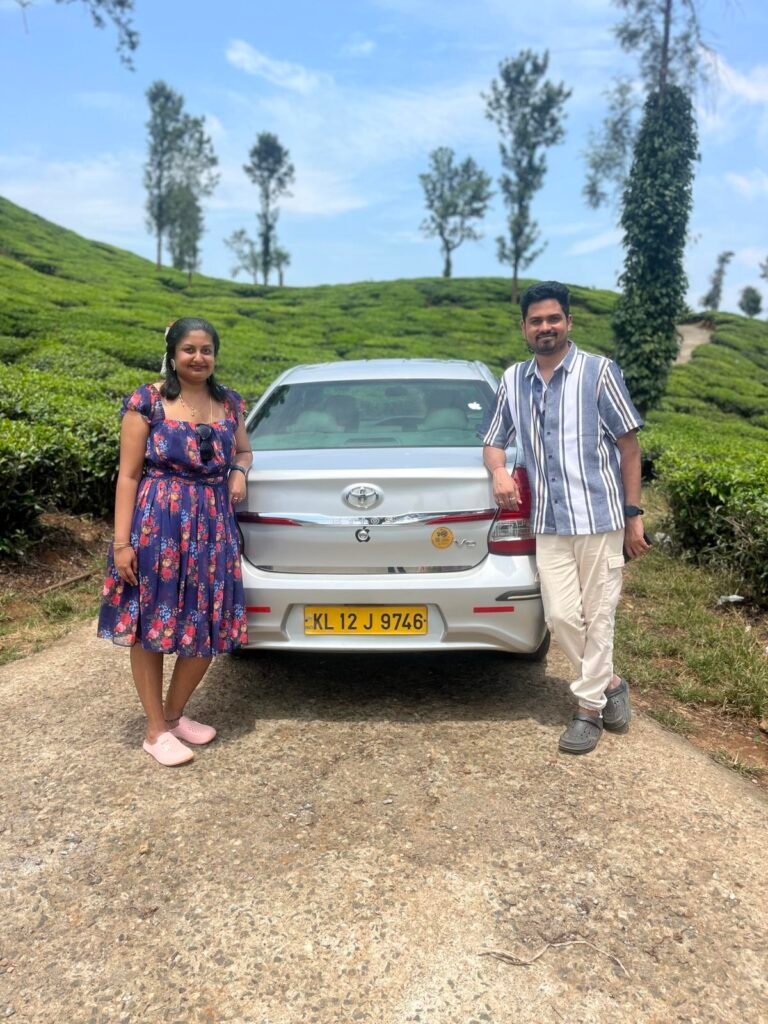
By Hameed and the WayanadTrips team Welcome to the enchanting world of Wayanad, where every turn of the road reveals a new shade of green. One of the most iconic sights here is the vast, emerald expanse of our tea plantations. I recently took some guests to explore the beautiful tea country around Soochipara, and it was a wonderful experience, as always. About Wayanad’s Tea Plantations and Why Visit Wayanad is blessed with a climate that’s perfect for growing tea, and our hills are carpeted with these neat, vibrant green bushes. Visiting a tea plantation isn’t just about seeing where your morning cuppa comes from; it’s an immersive experience in nature’s tranquility. The air here is fresh and crisp, often carrying the sweet scent of tea leaves, especially after a gentle shower. The rolling hills, meticulously manicured tea bushes, and the mist that often hangs in the valleys create a breathtaking panorama. It’s a photographer’s paradise and a balm for the soul. You’ll find a quiet peace walking among the rows of tea, far from the hustle and bustle of city life. Tea Plantation, Wayanad Best Time to Visit and How Long to Stay The tea plantations are beautiful year-round, but the period after the monsoon (October to February) is particularly lovely. The tea bushes are at their most vibrant, and the weather is pleasantly cool and clear, making it ideal for exploring. Even during the monsoon, the misty, rain-kissed plantations have a unique charm, though some paths might be slippery. To truly soak in the atmosphere, I recommend setting aside at least 1 to 2 hours. This allows for a leisurely stroll, time to take photographs, and simply enjoy the serene surroundings. If you plan to combine it with a visit to a nearby waterfall or viewpoint, you might want to allow more time. Getting There The main tea-growing regions in Wayanad are often around towns like Meppadi, which is the nearest significant town to the tea country near Soochipara. The roads leading to these plantations are typically winding and scenic, characteristic of our hill stations. While the main roads are well-maintained, some of the smaller paths within or leading to specific viewpoints can be narrower. Parking is usually available near popular viewpoints or designated visitor areas within the estates. Navigating these winding hill roads can be a bit challenging if you’re not used to them. This is where a private car with a local driver like me really helps. I know all the turns, the best spots to stop for photos, and how to get you there safely and comfortably, allowing you to simply relax and enjoy the views. Tea Plantation, Wayanad What to See and Do Stroll Through the Tea Bushes: The most delightful activity is simply walking through the neat rows of tea plants. Feel the fresh air and listen to the sounds of nature. It’s a very calming experience. Enjoy Panoramic Views: Many plantations are located on slopes, offering magnificent vistas of the surrounding valleys and hillsides covered in tea. The tea country around Soochipara is particularly stunning, often revealing distant views of mountains and forests. Photography: The endless green canvas provides countless opportunities for stunning photos. Capture the vibrant colours, the misty mornings, or the dramatic play of light and shadow across the hills. Observe Tea Pickers: If you’re lucky, you might spot local tea pluckers at work, gracefully moving through the bushes, hand-picking the tender leaves. It’s a fascinating sight and a testament to the hard work that goes into every cup of tea. Always observe respectfully and from a distance. Combine with Soochipara Waterfalls: As my notes confirm, the tea plantations are often an integral part of the journey to places like Soochipara Waterfalls. The drive itself through these estates is a beautiful experience, building anticipation for the majestic waterfall. For your comfort, I recommend wearing comfortable walking shoes, as you might want to explore a bit on foot. Light, layered clothing is also good, as the weather can change quickly in the hills. Don’t forget your camera, and perhaps a light jacket if you’re visiting in the cooler months or early mornings. Tea Plantation, Wayanad Nearby Places to Combine The tea plantations, especially those around Meppadi and Soochipara, are perfectly situated for combining with several other Wayanad attractions: Soochipara Waterfalls: A magnificent three-tiered waterfall, often reached by driving through beautiful tea estates. It requires a short trek down to the falls, which is invigorating. Please check its current status as access can sometimes be restricted due to weather or forest regulations. Meppadi Town: A charming small town where you can experience local life, grab a bite, or shop for local spices and, of course, fresh tea. Chembra Peak: For the adventurous, the trek to Chembra Peak offers incredible panoramic views of the entire Wayanad valley, including vast stretches of tea plantations. Even if you don’t trek to the top, the base area offers stunning views. Kanthanpara Waterfalls: A smaller, more serene waterfall compared to Soochipara, it’s a lovely spot for a peaceful visit, often surrounded by lush greenery and tea estates. 2-Day Wayanad Itinerary Including Tea Plantations Day 1 Arrive in Wayanad, settle into your accommodation in the Vythiri or Kalpetta area. Visit Lakkidi Viewpoint for a spectacular view of the ghat road. Enjoy a peaceful boat ride or a walk around Pookode Lake. Late afternoon: Explore the serene Tea Plantations around Meppadi, soaking in the views and fresh air. Conclude your day with a visit to Soochipara Waterfalls (checking current access), enjoying the trek and the refreshing cascade. Day 2 Morning: Head towards Chembra Peak. You can choose to trek (permits needed, check availability) or simply enjoy the breathtaking views of the surrounding tea estates and valleys from the base. Visit the charming town of Meppadi for a local experience and perhaps some tea shopping. Afternoon: Begin your journey back, taking with you wonderful memories of Wayanad’s lush landscapes. Tea Plantation, Wayanad 3-Day Wayanad Itinerary Including Tea Plantations Day

Tea Plantation Wayanad: Visitor Guide and 2-Day, 3-Day Trip Plan Read More »
vythiri 1791362308436 1

Vythiri Wayanad: Visitor Guide and 2-Day, 3-Day Trip Plan

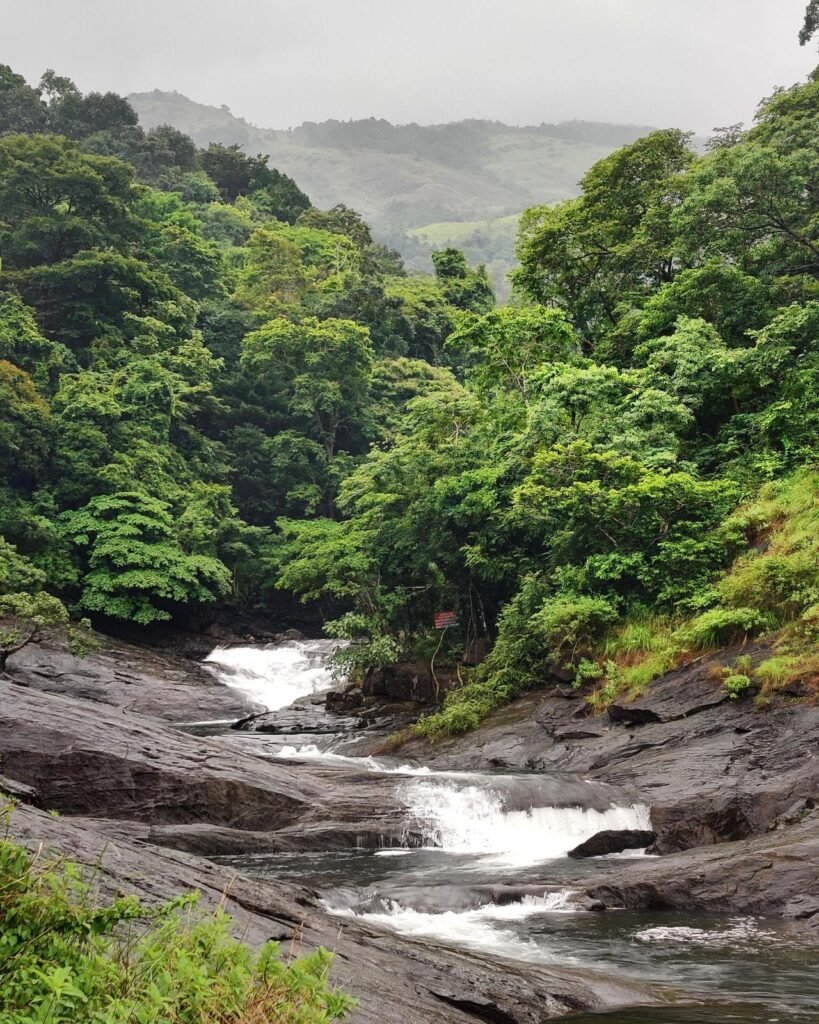
By Hameed and the WayanadTrips team Welcome to Vythiri, a tranquil gem nestled in the lush hills of Wayanad! As a local, I know Vythiri well, and it’s a place many of my guests fall in love with. It truly lives up to its reputation as a serene retreat, offering a refreshing escape from the hustle and bustle of city life. I recently took some guests there, and just as I always tell people, Vythiri was beautifully misty. That’s its charm, you see – that cool, gentle mist that often rolls in, giving everything a magical, ethereal feel. It’s perfect for those looking to unwind and reconnect with nature. About Vythiri and Why Visit Vythiri is one of Wayanad’s most enchanting hill stations, located in the southwestern part of the district. It’s renowned for its cool climate, dense rainforests, and vibrant greenery that stretches as far as the eye can see. The air here is crisp and clean, often carrying the scent of spices from nearby plantations. Visiting Vythiri is an experience in itself. It’s not just about specific sights, but about immersing yourself in the peaceful atmosphere. The gentle slopes, the sound of birdsong, and the ever-present possibility of mist make it an ideal destination for honeymooners, families, or anyone simply seeking a quiet holiday amidst nature’s embrace. The region’s unique ecosystem supports a rich diversity of flora and fauna, making it a treat for nature lovers and photographers. It’s a place where you can truly slow down, enjoy long walks, and simply breathe in the beauty around you. Many resorts here are built to blend seamlessly with the natural surroundings, offering a truly immersive experience. Vythiri, Wayanad Best Time to Visit and How Long to Stay The best time to visit Vythiri, and indeed most of Wayanad, is during the post-monsoon and winter months, from **October to May**. During this period, the weather is pleasantly cool and comfortable, with clear skies perfect for sightseeing and outdoor activities. The monsoon (June to September) brings heavy rainfall, which, while making the landscape incredibly verdant, can sometimes disrupt travel plans and close certain attractions. Even in the drier months, Vythiri often retains its characteristic mist, especially in the mornings and evenings, adding to its allure. It’s always a good idea to carry a light jacket or shawl, regardless of the season, as the evenings can get quite cool. For a truly relaxing experience, I recommend staying in Vythiri for **at least 2 to 3 days**. This allows you enough time to explore the local attractions at a leisurely pace, enjoy the ambiance of your accommodation, and perhaps venture out to some nearby spots without feeling rushed. A shorter visit might feel a bit too fleeting for such a tranquil place. Getting There Vythiri is situated in the south-western part of Wayanad, making it easily accessible, particularly if you’re approaching from Kozhikode (Calicut). The most common route from Kozhikode involves navigating the famous **Thamarassery ghat road**, a winding stretch with nine hairpin bends that climbs up into the Wayanad hills. The road reality here is that these hill roads, while scenic, require careful driving. They are well-maintained for the most part, but the curves and gradients can be challenging, especially for those unfamiliar with mountain driving. You’ll often encounter local buses, lorries, and other vehicles, so vigilance is key. Parking in Vythiri itself is generally available at resorts and designated spots, but for individual attractions, it varies. This is precisely why a **private car with a local driver like me** makes all the difference. I’ve been driving these roads for 30 years, and I know every curve, every shortcut, and the best way to navigate safely and comfortably. You can sit back, relax, and truly enjoy the breathtaking views without the stress of driving on unfamiliar winding roads. Plus, a local driver knows exactly where to find parking and can offer insights into the area as you go. Vythiri, Wayanad What to See and Do Vythiri itself is a destination for relaxation and enjoying nature’s beauty. The misty climate Hameed noted is a constant companion, making even a simple walk feel enchanting. Embrace the Mist and Scenery: One of the best things to do in Vythiri is simply to be there. Take leisurely walks around your resort or along the quieter roads, breathing in the fresh, cool air. The mist often creates stunning photo opportunities and a sense of calm. Wear comfortable walking shoes and layers of clothing so you can adjust to the changing temperatures. Pookode Lake: As Hameed mentioned, Pookode Lake is very close to Vythiri, just a short drive away. It’s a natural freshwater lake nestled amidst evergreen forests and rolling hills. The lake is shaped like India’s map, which is quite unique! Here, you can enjoy boating – paddle boats and rowboats are usually available – and take a peaceful stroll along the lakeside paths. There’s also a freshwater aquarium, a children’s park, and handicraft and spice shops nearby. It’s a lovely spot to spend a couple of hours, especially in the morning or late afternoon when the light is softer. Lakkidi Viewpoint: Just a little further up from Vythiri, on the main ghat road, is Lakkidi Viewpoint. This offers spectacular panoramic views of the winding ghat road below and the surrounding valleys. It’s a great stop for a quick photo and to appreciate the sheer scale of the Western Ghats. Chain Tree: Located near Lakkidi, the Chain Tree is associated with a local legend about a tribal youth who guided a British engineer through the ghat pass. It’s a small, intriguing stop that adds a touch of local folklore to your journey. While Vythiri is all about serene experiences, always remember that conditions can change. Treks or specific forest areas might have restrictions, especially during heavy monsoon or due to forest department rules. It’s always best to check the current status of any specific activity you have in mind. Vythiri, Wayanad Nearby Places to Combine Vythiri’s

Vythiri Wayanad: Visitor Guide and 2-Day, 3-Day Trip Plan Read More »