
Sightseeing

banasura hills 1791347876424 1

Banasura Hills Wayanad: Visitor Guide and 2-Day, 3-Day Trip Plan

By Hameed and the WayanadTrips team Welcome to Wayanad! Today, I want to tell you about one of our most remarkable destinations: Banasura Hills. It’s a place that truly captures the wild heart of Wayanad, offering stunning landscapes, the impressive Banasura Sagar Dam, and fantastic opportunities for adventure. About Banasura Hills and Why Visit The Banasura Hills are a majestic part of the Western Ghats, home to Banasura Peak, which is the second-highest peak in Wayanad. This region is famous for its lush greenery, dense forests, and the magnificent Banasura Sagar Dam, which is an engineering marvel and a significant tourist attraction. Visiting Banasura is about connecting with nature. Whether you’re standing by the vast reservoir of the dam, admiring the surrounding hills, or embarking on a challenging trek, the sheer scale and beauty of the place are truly captivating. It’s a destination that offers both serene views and invigorating experiences, making it a must-see for anyone exploring Wayanad. Banasura Hills, Wayanad Best Time to Visit and How Long to Stay The best time to visit Banasura Hills and the dam area is generally from October to March. During these months, the weather is pleasantly cool and dry, making it ideal for sightseeing and outdoor activities. The monsoon season, from June to September, brings lush greenery but can make trekking difficult and some paths slippery. For the dam area and its immediate surroundings, you might want to allow 2-3 hours to explore, enjoy the views, and perhaps take a boat ride. If you’re planning on trekking to Banasura Peak, that’s a full-day commitment. I usually suggest guests dedicate at least half a day to the Banasura Dam region itself, and a full day if they wish to include the trek. Getting There Banasura Hills and the dam are located near Padinjarathara, which is easily accessible from Kalpetta, one of Wayanad’s main towns. The drive from Kalpetta takes about an hour, winding through scenic roads that offer glimpses of Wayanad’s rural charm. The roads leading up to the dam are well-maintained but, like many routes in Wayanad, they can be winding and hilly. This is where having a local driver, like myself, really makes a difference. We know these roads intimately, navigating the bends and slopes smoothly, allowing you to relax and enjoy the breathtaking scenery without worrying about directions or tricky driving conditions. Parking is available at the dam site. Banasura Hills, Wayanad What to See and Do Banasura Sagar Dam This is Asia’s largest earthen dam, and it’s truly an impressive sight. The dam is built using massive stacks of stones and mud, and the reservoir it creates is dotted with small islands that emerge when the water levels are low. The views from the dam across the water and to the surrounding Banasura Hills are simply spectacular. You can walk along the dam, take in the fresh air, and enjoy the panoramic vistas. There are also boating facilities available on the reservoir, offering a different perspective of the dam and the landscape. It’s a peaceful experience, perfect for families and anyone looking for a tranquil escape. Trekking to Banasura Peak For the more adventurous, a trek to Banasura Peak is an unforgettable experience. As Hameed’s notes mention, “Banasura trekking” is a key activity here. This is a challenging trek that typically takes a full day, offering incredible views from the summit. The trail passes through dense shola forests, grasslands, and rocky patches. It’s important to note that trekking to Banasura Peak usually requires prior permission from the forest department and often needs a local guide. I always advise my guests to check the current status and availability of permits, as rules can change. Good hiking shoes, comfortable clothing, and plenty of water are essential for this trek. Adventure Activities The area around Banasura Dam has also developed into a hub for “adventure,” as Hameed noted. While specific activities can vary and should be confirmed locally, you might find options like zip-lining, speed boating, or other recreational activities near the dam. These add an exciting dimension to your visit, especially if you’re traveling with family or a group looking for some thrills amidst nature. It’s a great way to combine the tranquility of the dam with a dose of adrenaline. Again, it’s best to inquire about the available adventure park options and their operational status when you arrive or by calling us beforehand. Banasura Hills, Wayanad Nearby Places to Combine Banasura Hills is centrally located enough to combine with several other beautiful Wayanad attractions: Karlad Lake: Just a short drive from Banasura, Karlad Lake offers tranquil boating and a relaxing environment. It’s smaller than Pookode Lake but equally charming. Pookode Lake: A naturally formed freshwater lake surrounded by lush forests. It’s a popular spot for pedal boating, row boating, and a pleasant walk around the perimeter. There’s also a freshwater aquarium and a handicraft shop nearby. Meenmutty Falls: (Note: There are two Meenmutty Falls in Wayanad; this refers to the one near Kalpetta/Banasura.) This multi-tiered waterfall is a stunning sight, though reaching it involves a trek through the forest. It’s always wise to check if access is open, especially during and after the monsoon season. Vythiri: This charming hill station is known for its cool climate, tea estates, and resorts. It’s a lovely place to stay or just drive through and enjoy the scenery. 2-Day Wayanad Itinerary Including Banasura Hills Day 1 Start your Wayanad adventure by arriving in Kalpetta, the district headquarters. From there, we’ll head directly to the Banasura Hills region. Banasura Sagar Dam: Spend the morning exploring the dam, walking along its impressive structure, enjoying the panoramic views of the reservoir and the islands, and perhaps indulging in a serene boat ride. Adventure Park (Optional): If you’re keen on some thrills, we can visit any adventure park near the dam for activities like zip-lining or other recreational options. Lunch: Enjoy a local lunch at a restaurant near the dam or in Padinjarathara. Karlad Lake: In

Banasura Hills Wayanad: Visitor Guide and 2-Day, 3-Day Trip Plan Read More »
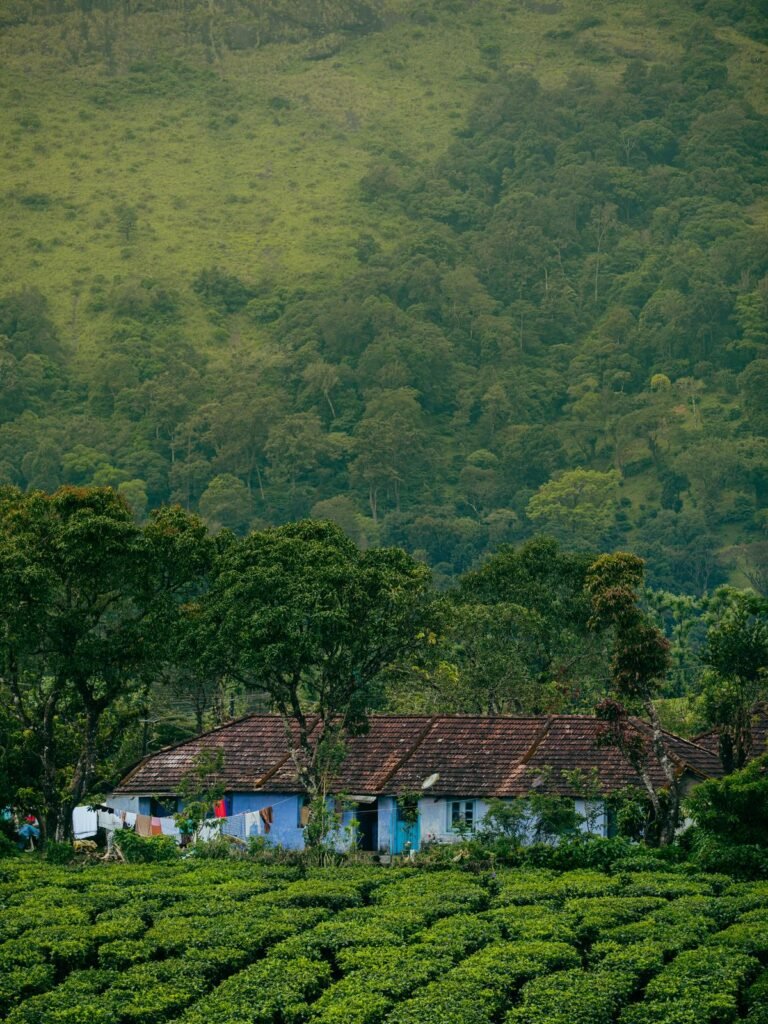
kanthanpara waterfalls 1791347279450 1

Kanthanpara Waterfalls Wayanad: Visitor Guide and 2-Day, 3-Day Trip Plan

By Hameed and the WayanadTrips team Welcome to Wayanad! I’m Hameed, and I’ve just had the pleasure of taking some guests to the beautiful Kanthanpara Waterfalls. It’s a truly charming spot, tucked away in the heart of Wayanad, offering a refreshing escape into nature. If you’re looking for a peaceful waterfall experience, this is a place you won’t want to miss. About Kanthanpara Waterfalls and Why Visit Kanthanpara Waterfalls is one of Wayanad’s hidden gems, often described as a “drive-in waterfall” because of its easy accessibility. Unlike some other falls that require a long trek, you can get quite close to Kanthanpara by car, making it a comfortable visit for everyone. What makes Kanthanpara truly special is its setting. As I’ve observed many times with my guests, the falls are beautifully nestled amidst lush tea and coffee estates. The journey to the falls itself is a delight, winding through these plantations, offering stunning green vistas. Once you arrive, you’re enveloped in a wonderful jungle ambience, with the soothing sound of water and the fresh, earthy scent of the forest all around you. It’s a smaller, more serene waterfall compared to some of the grander ones in Wayanad, which is precisely its charm. It’s perfect for those who want to relax, enjoy nature’s quiet beauty, and perhaps dip their feet in the cool water without a huge crowd. Kanthanpara Waterfalls, Wayanad Best Time to Visit and How Long to Stay The best time to visit Kanthanpara Waterfalls, like much of Wayanad, is after the monsoon season, from October to May. During these months, the waterfall is usually flowing beautifully, and the surrounding greenery is at its most vibrant. The weather is also generally pleasant, making it ideal for exploring. The monsoon months (June to September) bring a dramatic increase in water flow, which can be a spectacular sight. However, heavy rains can sometimes make roads slippery or even lead to temporary closures for safety, so it’s always wise to check the current status before planning your visit. I always advise my guests to confirm locally, or just give me a call, and I can check for you. For Kanthanpara itself, I recommend allowing about 1.5 to 2 hours. This gives you ample time to enjoy the views, take some photographs, relax by the water, and soak in the tranquil atmosphere without feeling rushed. It’s not a place for strenuous activity, but rather for gentle appreciation. Getting There Kanthanpara Waterfalls is conveniently located near Meppadi, one of the key towns in southern Wayanad. The approach roads, like many in our beautiful hill station, are well-maintained but can be winding and narrow in places, especially as you get closer to the falls. This is where having a local driver, someone who knows these roads like the back of their hand, really makes a difference. We can navigate the turns comfortably and get you there safely. Parking is usually available near the entrance to the falls, making access straightforward. The “drive-in” nature means you won’t have a long walk from your car to reach the main viewpoint, which is great for families or those who prefer an easier experience. Coming by private car with a local driver ensures a smooth, stress-free journey, allowing you to simply enjoy the scenic drive through the tea and coffee estates. What to See and Do At Kanthanpara Waterfalls, the main attraction is, of course, the waterfall itself. It cascades down in two steps, creating a lovely, gentle flow that is incredibly soothing to watch. Here’s what I recommend for your visit: Enjoy the Views: Take your time to appreciate the natural beauty. The waterfall is surrounded by dense forest and the manicured tea and coffee plantations, creating a picturesque setting. Relax by the Water: The base of the falls often has shallow, calm pools where you can sit by the water’s edge and feel the cool spray. It’s a perfect spot for some quiet contemplation or just to unwind. Photography: The lush green backdrop and the gentle cascade offer wonderful opportunities for photography. Capture the beauty of the falls and the surrounding jungle ambience. Short Walks: There are usually small, easy paths around the falls that allow you to explore the immediate vicinity. These are gentle strolls, suitable for most fitness levels. For your visit, comfortable footwear is always a good idea, especially if you plan to walk near the water. Light, breathable clothing is suitable for our tropical climate. While it’s an easy visit, it’s always good to carry a bottle of water, especially on warmer days. Remember, the focus here is on quiet enjoyment of nature, so leave your worries behind! Kanthanpara Waterfalls, Wayanad Nearby Places to Combine Kanthanpara Waterfalls is located in a lovely part of Wayanad, making it easy to combine with several other popular attractions: Soochipara Waterfalls (Sentinel Rock Waterfalls): Another stunning waterfall, a bit more adventurous with a downhill trek to reach its base. It’s a great contrast to Kanthanpara’s gentle ease. Chembra Peak: Wayanad’s highest peak, famous for its heart-shaped lake. You can either trek to the lake (permits often required, check local conditions) or simply enjoy the panoramic views from its base. Meppadi Town: A bustling small town that serves as a hub for the southern Wayanad region. It’s a good place to experience local life. Pookode Lake: A serene freshwater lake surrounded by forests, offering boating facilities and a pleasant walking path. It’s a beautiful spot for families. Lakkidi View Point: Known as the ‘Gateway of Wayanad,’ offering breathtaking views of the winding ghat road and the valley below, especially popular during sunset. Karlad Lake: Another beautiful lake offering adventure activities like zip-lining and boating, a good option for those seeking a bit more excitement. 2-Day Wayanad Itinerary Including Kanthanpara Here’s a practical itinerary for a short but sweet Wayanad trip, making the most of a local driver’s knowledge: Day 1: Arrival and Southern Charms Arrive in Wayanad, typically via the scenic Thamarassery ghat road from Kozhikode. Your

Kanthanpara Waterfalls Wayanad: Visitor Guide and 2-Day, 3-Day Trip Plan Read More »
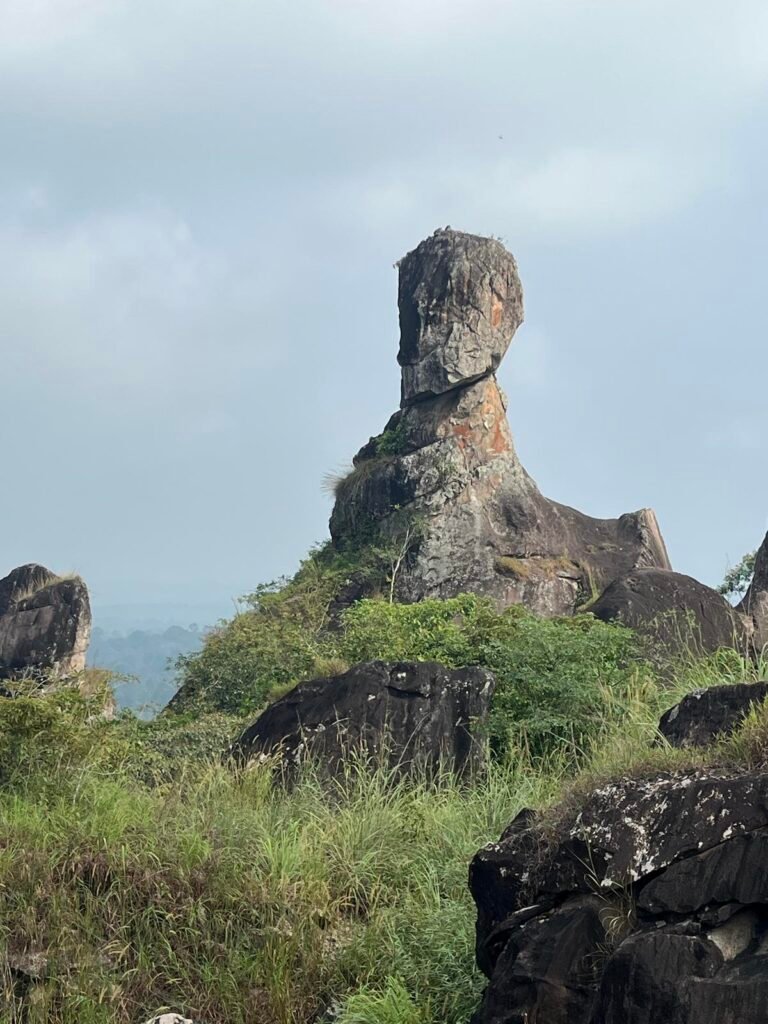
phantom rock 1791334031799 1

Phantom Rock Wayanad: Visitor Guide and 2-Day, 3-Day Trip Plan

By Hameed and the WayanadTrips team Welcome to Wayanad! I’m Hameed, and I’ve been driving folks around our beautiful hills for thirty years. Recently, I had the pleasure of taking some guests to a truly unique spot, Phantom Rock, near Ambalavayal. It’s one of those places that truly captures the natural wonder of Wayanad, offering spectacular views and a sense of awe at nature’s artistry. About Phantom Rock and Why Visit Phantom Rock, known locally as Cheengeri Mala, is a fascinating natural formation near Ambalavayal. It gets its name because, from certain angles, this large rock structure looks remarkably like a skull or a phantom’s head. It’s a geological marvel, sculpted by centuries of wind and weather, standing proudly amidst the lush green landscape. Visiting Phantom Rock is about more than just seeing a rock; it’s an experience of Wayanad’s raw, untamed beauty. As my guests and I observed, the views from the hill around Phantom Rock are truly breathtaking, encompassing the rolling hills and verdant valleys of the Ambalavayal region. It’s a wonderful place to feel refreshed by the cool breeze and simply take in the expansive scenery. If you love unique natural landmarks and panoramic vistas, Phantom Rock is a must-see. Phantom Rock, Wayanad Best Time to Visit and How Long to Stay The best time to visit Phantom Rock, and indeed most of Wayanad, is during the cooler, drier months from October to May. The post-monsoon period (October to February) is particularly pleasant, with the landscape vibrant green and the weather comfortably cool. March to May can be warm, but still enjoyable, especially in the early mornings or late afternoons. The monsoon season (June to September) brings heavy rainfall, which can make the path to the rock slippery and obscure the views with mist. While the rain has its own charm, it’s generally not the ideal time for exploring open viewpoints. To fully appreciate Phantom Rock and its surroundings, I recommend allowing about 1 to 1.5 hours. This gives you ample time to walk around, take photographs, and simply relax while soaking in the “Ambalavayal hill view” that my guests and I enjoyed. It’s not a strenuous visit, but comfortable shoes are always a good idea for uneven paths. Getting There Phantom Rock is located about 2.5 kilometres from Ambalavayal town, in the eastern part of Wayanad. Ambalavayal is a small but bustling town that serves as a good base for exploring this region. The roads leading to Phantom Rock are generally well-maintained, but like many places in Wayanad, you’ll encounter winding sections and some narrower village roads as you get closer to the site. Parking is usually available near the base of the rock formation. However, navigating these local roads, especially if you’re unfamiliar with the area or if it’s your first time driving in the hills, can be a bit challenging. This is where a private car with a local driver like me truly makes a difference. We know the shortcuts, the best spots for views, and how to handle the varying road conditions, ensuring a smooth and stress-free journey to and from unique spots like Phantom Rock. What to See and Do The main attraction at Phantom Rock is, of course, the rock itself. Its distinctive skull-like shape is a marvel to behold and a fantastic subject for photography. As you approach, take your time to admire its unique contours and the way it stands out against the backdrop of the sky. Photography: This is an excellent spot for photographers. Experiment with different angles and lighting to capture the phantom-like appearance of the rock. The panoramic “Ambalavayal hill view” from the surrounding area also provides stunning landscape opportunities. Enjoy the Views: Take a moment to simply sit and absorb the sweeping vistas of the Wayanad hills and valleys. The fresh air and tranquil atmosphere are incredibly refreshing. It’s a peaceful spot to connect with nature. Short Walk: There’s a short, easy walk around the base of the rock and up to nearby viewpoints. Wear comfortable footwear, as the path can be a little uneven in places. While Phantom Rock is a natural formation, it’s always wise to be aware of your surroundings, especially if you’re with children. Please be mindful of any local guidance or restrictions on access, as conditions can change. We always advise checking the current status of such natural sites, especially during the monsoon or after heavy rains, to ensure a safe and enjoyable visit. Phantom Rock, Wayanad Nearby Places to Combine Phantom Rock is well-situated for combining with other popular attractions in eastern and central Wayanad: Edakkal Caves: Just a short drive away, these ancient caves are famous for their Neolithic and Mesolithic rock carvings. It’s a moderately challenging climb, but the historical significance and the views from the top are very rewarding. Wayanad Heritage Museum (Ambalavayal): Located in Ambalavayal, this museum showcases tribal artefacts, ancient tools, and archaeological findings, offering a glimpse into Wayanad’s rich past. Karapuzha Dam: A beautiful earth dam surrounded by lush greenery, perfect for a peaceful evening visit or a boat ride. Soochipara Falls (Sentinel Rock Falls): While a bit further south, it can be combined if you’re planning a full day of sightseeing. These stunning tiered waterfalls offer a refreshing experience, though the trek down can be steep. Check current access, as waterfalls can sometimes be restricted. Banasura Sagar Dam: India’s largest earth dam and Asia’s second largest, offering speedboat rides and beautiful views of the Banasura hills. It’s a bit further west but often combined with attractions in this region. 2-Day Wayanad Itinerary Including Phantom Rock Day 1: Eastern Wayanad’s Wonders Start your Wayanad adventure by exploring the eastern heartland, where history meets natural beauty. Morning: Edakkal Caves (2-3 hours) – Begin your day with a journey into history. Climb up to the Edakkal Caves to marvel at ancient rock carvings. The trek is a moderate effort, but the archaeological significance and the panoramic views from the top are well worth it.

Phantom Rock Wayanad: Visitor Guide and 2-Day, 3-Day Trip Plan Read More »
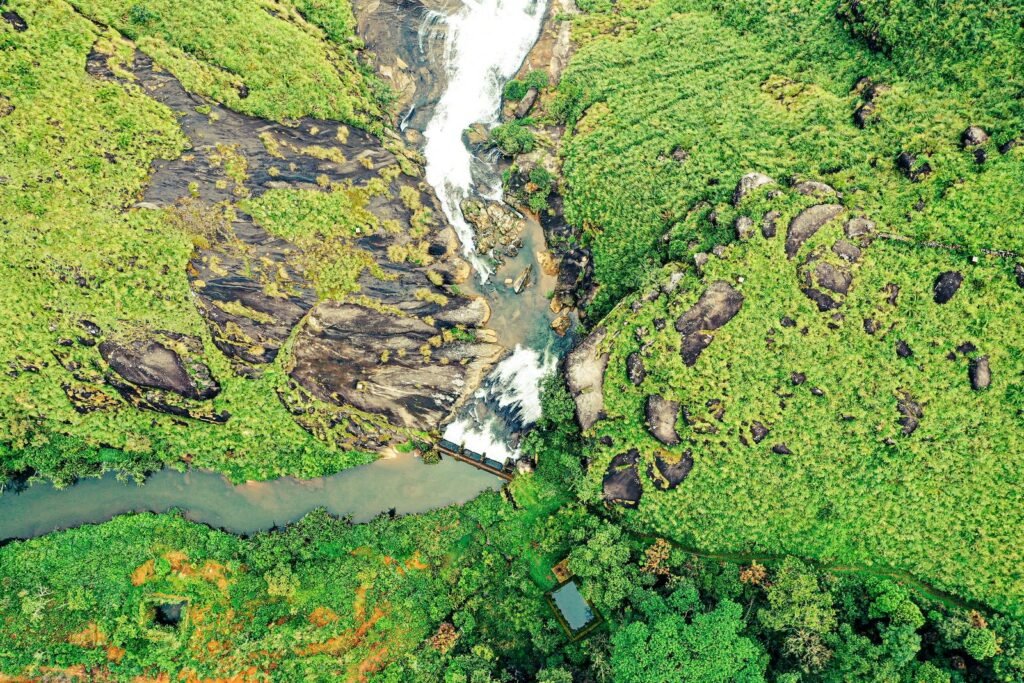
meppadi tea estates 1791256713690 1

Meppadi Tea Estates Wayanad: Visitor Guide and 2-Day, 3-Day Trip Plan

By Hameed and the WayanadTrips team Welcome to Wayanad, a land of lush greenery and misty hills! One of the most enchanting experiences here is a visit to the sprawling tea estates that carpet our valleys and slopes. I recently took some guests to the beautiful Meppadi Tea Estates, and it’s always a delight to see their faces light up amidst the emerald rows of tea plants. Meppadi Tea Estates, Wayanad About Meppadi Tea Estates and Why Visit Meppadi is a charming town nestled in the southern part of Wayanad, and it’s surrounded by some of the most picturesque tea estates you’ll find anywhere. As we drive through the winding roads around Meppadi, you’ll be treated to endless views of meticulously manicured tea bushes stretching as far as the eye can see. The air here is noticeably cooler and fresher, a welcome change from the plains. Visiting Meppadi Tea Estates isn’t just about seeing tea plants; it’s about immersing yourself in the tranquil beauty of Wayanad. The gentle slopes, often shrouded in a soft mist, create a serene atmosphere that is perfect for relaxation and photography. It’s a place where you can truly feel the pulse of nature and the quiet rhythm of the local life connected to these plantations. The cool climate makes it a refreshing escape, offering a peaceful retreat from the hustle and bustle. Best Time to Visit and How Long to Stay Wayanad generally enjoys a pleasant climate throughout the year, but the Meppadi region, being at a slightly higher elevation, offers a particularly cool and comfortable atmosphere. The post-monsoon months from October to March are often considered ideal, as the tea estates are vibrant green and the weather is crisp and clear, perfect for exploring. Even during the monsoon, from June to September, the tea estates come alive with renewed vigour, though heavy rains can sometimes affect outdoor activities. However, the misty, rain-washed landscape has its own unique charm. Summers, from April to May, are warmer but still offer a pleasant escape compared to the heat of the lowlands, especially in the mornings and evenings. For visiting the Meppadi Tea Estates, I’d suggest dedicating at least half a day. This allows you ample time to drive through the scenic roads, stop for photos, and perhaps enjoy a leisurely walk through some accessible parts of the plantations. If you plan to combine it with nearby attractions like Soochipara Waterfalls, a full day would be more comfortable. Meppadi Tea Estates, Wayanad Getting There Meppadi is conveniently located, relatively close to Kalpetta, one of Wayanad’s main towns, and also not too far from Vythiri. The journey to Meppadi involves navigating through typical Wayanad hill roads – beautifully winding and often narrow, especially as you get deeper into the plantation areas. The usual approach from Kozhikode is via the Thamarassery ghat road, famous for its hairpin bends. Once you’re in Wayanad, towns like Kalpetta and Vythiri serve as excellent bases. From these towns, the drive to Meppadi is picturesque, taking you through varying landscapes before reaching the heart of the tea country. Parking can be found at designated spots, but navigating these winding hill roads, especially in an unfamiliar vehicle, can be challenging. This is where a private car with a local driver like me truly makes a difference. We know these roads like the back of our hand, understanding the curves and gradients, and can safely take you to the best viewpoints and most accessible spots within the estates. It means you can sit back, relax, and fully enjoy the stunning scenery without the stress of driving. Meppadi Tea Estates, Wayanad What to See and Do The primary attraction in Meppadi is, of course, the magnificent tea estates themselves. Here’s what I recommend: Scenic Drives: Just driving through the Meppadi region is an experience in itself. The roads snake through endless rows of tea bushes, offering breathtaking panoramic views at every turn. Keep your camera ready! Tea Plantation Walks: Many parts of the tea estates allow for gentle walks. It’s a wonderful way to breathe in the fresh, cool air, listen to the sounds of nature, and observe the tea pickers at work. Remember to wear comfortable shoes, as the paths can be uneven. Photography: The lush green landscape, often dotted with silver oak trees and occasionally shrouded in mist, provides countless opportunities for stunning photographs. Early mornings and late afternoons are particularly magical for capturing the soft light. Soochipara Waterfalls: As Hameed’s notes mention, Soochipara Waterfalls is a significant attraction very close to the Meppadi area. Also known as Sentinel Rock Waterfalls, it’s a magnificent three-tiered waterfall cascading down from a height. Getting to the base of the falls involves a walk through a forested area and some steps, so be prepared for a moderate effort. The refreshing spray and natural beauty make it a rewarding visit. Always check local conditions before heading out, as waterfalls can be restricted during heavy monsoon or dry spells. Enjoy the Cool Climate: Simply find a quiet spot, perhaps at a viewpoint, and soak in the tranquil atmosphere and the wonderfully cool climate that Meppadi is famous for. It’s a perfect place to unwind and reconnect with nature. When exploring the estates, it’s always good to dress in layers due to the cool climate, and comfortable walking shoes are a must. Carry water and perhaps some light snacks, as facilities might be limited in the heart of the plantations. A local driver can guide you to the best and safest spots to explore, ensuring you have a hassle-free experience. Meppadi Tea Estates, Wayanad Nearby Places to Combine Meppadi’s central location makes it easy to combine with several other popular Wayanad attractions: Soochipara Waterfalls: As mentioned, this is practically on Meppadi’s doorstep and a natural pairing. Chembra Peak: Wayanad’s highest peak, known for the heart-shaped lake on its way up. Trekking usually requires forest department permission and conditions can change, so it’s always best to check the current status if you

Meppadi Tea Estates Wayanad: Visitor Guide and 2-Day, 3-Day Trip Plan Read More »
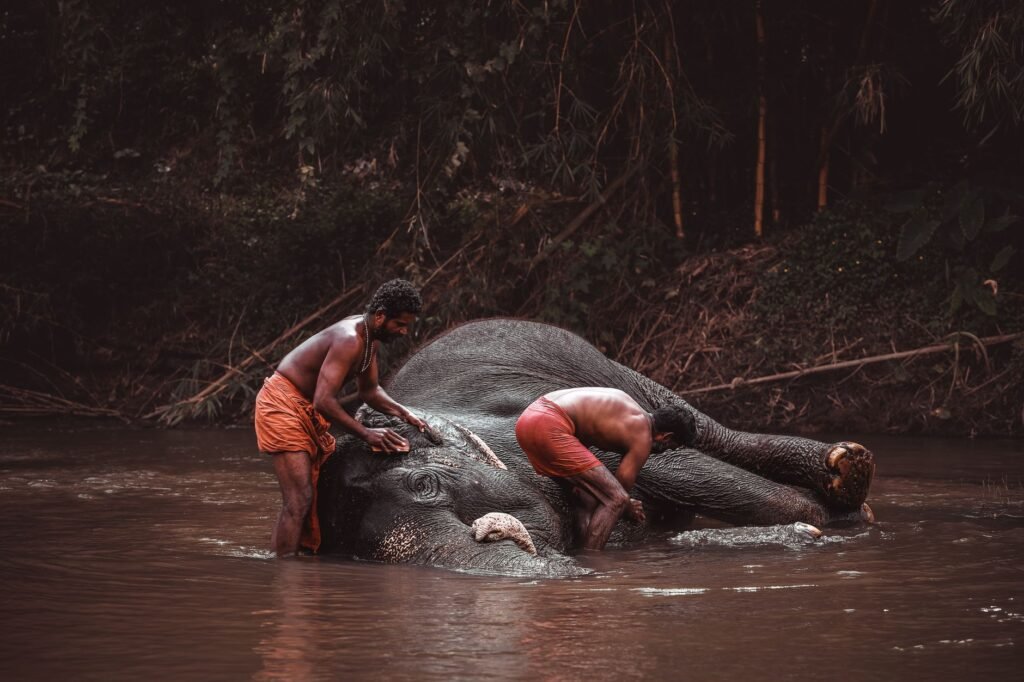
cover 2644

One Perfect Day in Wayanad: A Couple’s Quick Getaway Itinerary

By the WayanadTrips team Ready for an epic dash through Wayanad? This isn’t your grandma’s chill-out trip. This is for couples who crave adventure, stunning views, and a packed day. Think sweat, smiles, and unforgettable moments. You’ll be moving fast, hitting the best spots. But trust me, every minute is worth it. Get ready to explore. Day 1: Thrills, Views, and Romance Early Morning: Conquer Edakkal Caves (7:30 AM – 10:00 AM) First up, ancient history with a climb! Hit Edakkal Caves early. I mean, *early*. You’ll beat the crowds and the midday heat. This isn’t just a walk; it’s a proper trek up. You’ll navigate rough paths, steep steps, and even ladders. It’s a workout, no doubt. But the reward? Incredible prehistoric carvings. And the view from the top? Totally worth the effort. Allow at least 2 hours. Wear sturdy shoes. Carry water. Check the current status before you go; caves can close without warning, especially in heavy rain. Mid-Morning: Chase Soochipara Falls (11:00 AM – 1:00 PM) Time for a nature’s shower! From the caves, head south towards Soochipara Falls (also known as Sentinel Rock Falls). The drive itself is scenic. Once you arrive, it’s a moderate trek down through the forest to reach the multi-tiered falls. The path can be rocky and slippery, especially after rain. Good grip on your shoes is non-negotiable. Feel the spray, maybe even take a dip in the cool waters if it’s safe. It’s an adrenaline rush! Check locally if swimming is permitted. Allow 2 hours, plus travel time. A private car with a local driver makes navigating these winding roads a breeze, getting you there efficiently. Lunch with Valley Views (1:30 PM – 2:30 PM) After all that action, you’ll be starving. Time to refuel! Find a spot with a view. There are plenty of cafes and restaurants around Meppadi or Vythiri that offer stunning valley panoramas. Kick back. Enjoy some local Kerala flavours. Recharge for the afternoon’s adventures. This is your chill-out moment of the day. Afternoon: Boating at Banasura Sagar Dam (3:30 PM – 5:00 PM) Next, we head central to Banasura Sagar Dam. This is India’s largest earthen dam, and it’s massive. The scenery is epic. You can walk across the dam, enjoy the well-maintained gardens, or my favourite – hit the water. Speed boating is a blast here! Or opt for a more relaxed pedal boat. It’s a great way to cool down and soak in the expansive beauty. Allow 1.5 to 2 hours here. Confirm boating availability on arrival. Evening: Sunset at Neelimala or 900 Kandi View Point (5:30 PM – 6:30 PM) End your perfect day with a sunset that will blow your mind. You have two fantastic options, both offering incredible views. Neelimala View Point: This is a classic. It involves a moderate trek to reach the viewpoint, offering panoramic vistas of the Meenmutty Falls and the surrounding valleys. The path can be a bit rugged, so be prepared. 900 Kandi View Point: For something a bit more off-the-beaten-path, head to 900 Kandi. This often requires an off-road jeep ride to reach some of the best vantage points. The views are absolutely spectacular, especially as the sun dips below the horizon, painting the sky in fiery colours. Both are amazing choices for a romantic sunset. Check accessibility and current conditions for both before you decide. Your local driver can advise on the best option for the day. Suggested Taxi Package This “One Perfect Day” itinerary is designed for maximum impact, and a private car with a local driver is essential to pull it off smoothly. Our taxi package covers all the locations mentioned: Edakkal Caves, Soochipara Falls, your lunch spot with a view, Banasura Sagar Dam, and your chosen sunset point. We offer pick-up and drop-off from Kozhikode (airport or railway station), Bengaluru, Mysuru, or anywhere in Wayanad. Our local drivers know the shortcuts, the best routes, and how to get you to each spot efficiently and safely on those winding hill roads. They’re also a great source of local info! Contact us for a personalised quote for your couple’s getaway. Best Season for This Plan The sweet spot for this itinerary is from October to May. The weather is generally pleasant, and the chances of clear skies for those epic views are high. Avoid the peak monsoon months (June to September) if possible, as heavy rains can close trekking routes to waterfalls and viewpoints, making the climbs slippery and less enjoyable. Summary There you have it: one jam-packed, unforgettable day in Wayanad for couples who love a bit of adventure. You’ll climb ancient caves, feel the spray of a powerful waterfall, cruise on a massive dam, and witness a breathtaking sunset. It’s fast, it’s furious, and it’s fantastic. Go for it! Plan your Wayanad trip with wayanadtrips.com – private cars, local drivers and sightseeing packages. Call 9746967281. Watch the Short Call 9746967281 WhatsApp Us Cover photo: Ink Spreader on Pexels

One Perfect Day in Wayanad: A Couple’s Quick Getaway Itinerary Read More »

cover 2639

Best Time to Visit Wayanad: A Month-by-Month Guide

By the WayanadTrips team The gentle hills and misty valleys of Wayanad call to many hearts, yet a common whisper I often hear is, “When is the *best* time to visit?” It’s a natural question, born from a desire to truly connect with a place, to experience its essence when it’s most inviting. The truth is, Wayanad holds a unique charm in every season, like a beloved book that reveals new layers with each re-reading. Yet, understanding the rhythm of its seasons can indeed help you craft the journey you’ve been dreaming of. When does Wayanad truly bloom in its most gentle light? (October to February) If your heart seeks mild days, clear skies, and a refreshing crispness in the air, then the post-monsoon and winter months, from October through February, are a quiet marvel. The rains have retreated, leaving behind a landscape washed clean and vibrant, with every leaf glistening. The air carries the scent of damp earth and blossoming coffee, and the sun, though bright, is never harsh. This is a wonderful time for exploring the popular trekking trails, like the ascent to Chembra Peak (do check local conditions for permits, as these can change) or the ancient whispers within the Edakkal Caves near Sulthan Bathery. The vast expanse of Banasura Sagar Dam, in the central zone near Kalpetta, reflects the brilliant blue sky, inviting quiet moments by the water. Wildlife sanctuaries like Muthanga and Tholpetty, in the eastern and northern zones respectively, offer better chances for sightings as animals venture out in the pleasant weather. For these explorations, comfortable walking shoes are a must. While days are pleasant, evenings and early mornings can be cool, especially in higher altitudes around Vythiri or Lakkidi, so a light shawl or jacket will be a welcome companion. Allowing ample time, perhaps three to four hours for a place like Edakkal Caves, lets you savour the journey without feeling rushed. What if I dream of Wayanad cloaked in vibrant green? (June to September) For those who find beauty in the dramatic embrace of nature, the monsoon, from June to September, transforms Wayanad into an emerald wonderland. The hills weep with countless waterfalls, and the entire landscape pulsates with life. The air is thick with the sweet scent of rain-soaked earth, and the world seems to slow down, inviting quiet contemplation. Waterfalls like Soochipara and Kanthanpara, in the southern zone near Meppadi, swell to their magnificent glory, a breathtaking sight and sound. However, it’s crucial to remember that heavy rains can sometimes lead to slippery paths, and for safety, some attractions might temporarily close or restrict entry. Always check the current status locally or with your driver before setting out. This is a time for waterproof footwear, sturdy umbrellas, and perhaps a good book to enjoy during a sudden shower. While some adventurous treks might be challenging, the sheer lushness offers its own reward. A leisurely drive through the winding roads, perhaps through the Vythiri region, watching the mist dance among the tea estates, can be an experience in itself. A local driver, familiar with the conditions and alternative routes, becomes an invaluable guide during these months. Can Wayanad offer a serene escape away from the crowds? While Wayanad is generally a peaceful destination, certain times of the year see more visitors. If solitude is what your soul craves, consider the shoulder seasons or even the heart of the monsoon. Early March, just as winter begins to recede, or late September, when the monsoon’s intensity wanes, can offer a beautiful balance of pleasant weather and fewer crowds. During these times, you might find more quiet moments by the serene Karlad Lake near Kalpetta, or enjoy the tranquility of Pookode Lake in the Vythiri zone. The absence of bustling crowds allows for a deeper connection with the natural surroundings, letting you truly hear the rustle of leaves and the distant calls of birds. Exploring these quieter paths by private car allows for spontaneous stops, letting you linger in moments of unexpected beauty. What are the summer months like in Wayanad? (March to May) The summer months, from March to May, bring warmer temperatures, yet Wayanad still offers a cooler respite compared to the plains. The days are longer, allowing for extended hours of exploration. While the waterfalls might not be as voluminous as in the monsoon, attractions like the Banasura Sagar Dam and the serene Karlad Lake are still very much enjoyable, offering opportunities for boating or simply enjoying the expansive views. This is a time to embrace early mornings for outdoor activities, perhaps a visit to the pristine Kuruva Island (check forest department regulations for access) in the northern zone near Mananthavady, before the midday sun climbs too high. Light, breathable clothing is advisable, along with a hat and sunscreen. Even in summer, a light jacket might be comforting for cooler evenings, especially in the higher reaches. How long should I allow for my visit, and what should I pack? To truly absorb the varied charms of Wayanad, I recommend allowing at least 3 to 5 days. This gives you time to explore different zones – perhaps a day for the southern attractions like Chembra and Soochipara, another for the central areas around Kalpetta and Banasura, and a third for the historical richness of Edakkal Caves or the wildlife of Muthanga. Rushing through Wayanad feels like sipping fine tea too quickly; it’s meant to be savoured. As for packing, always prioritise comfort. All Seasons: Comfortable, sturdy walking shoes are paramount. A small backpack for water, snacks, and personal items. October to February: Light cottons for daytime, but warm layers (sweater, light jacket) for cool mornings and evenings. March to May: Light cottons, sunscreen, a wide-brimmed hat. A light jacket might still be useful for evenings. June to September: Waterproof jacket or sturdy umbrella, quick-drying clothing, and waterproof trekking sandals or shoes with good grip. Don’t forget insect repellent and any personal medications. And always, carry a reusable water bottle. Getting There

Best Time to Visit Wayanad: A Month-by-Month Guide Read More »

cover 2634

Wayanad in Monsoon: Should You Visit? Honest Pros and Cons

By the WayanadTrips team Oh, the monsoon in Wayanad! It’s a question many of you lovely families ask, and I totally get why. When you’re planning a trip, especially with little ones, you want to know what you’re getting into. Is it worth it? Will it be safe? Will we even enjoy it? As a mum myself, I always think about those things too. So, let’s dive into the honest truth about visiting Wayanad when the clouds open up. Is it safe to visit Wayanad during the monsoon? Generally speaking, yes, it can be quite safe, but caution is definitely your best friend. Wayanad is a beautiful hill station, and with the rain comes lush greenery and a misty, ethereal beauty. However, the roads can get slippery, and visibility might be reduced, especially on the winding ghat sections. Sometimes, very heavy rainfall can lead to temporary closures of certain attractions or even small landslides, though these are usually cleared quickly. My advice? Always check local weather updates and road conditions before you head out. If you’re traveling with a private car and a local driver (like those at wayanadtrips.com), they’ll have the best, most up-to-date information and know exactly how to navigate the conditions safely. It takes a huge weight off your mind! What can we actually *do* in Wayanad when it’s raining? You might be surprised! The monsoon truly transforms Wayanad into a vibrant green paradise. While some activities might be weather-dependent, there’s still plenty to enjoy: Embrace the Mist at Viewpoints: Places like Lakkidi View Point or just driving through the hills become incredibly scenic with mist swirling around. Lakeside Beauty: Pookode Lake is lovely to visit. While boating might be restricted on very rainy days, a gentle stroll around the edges and soaking in the serene atmosphere is still wonderful. Banasura Sagar Dam also offers breathtaking misty views and gentle walking paths. Indoor Explorations: Consider visiting a spice plantation or a tea factory. Many offer guided tours where you can learn about local produce, and it’s a great way to stay dry while still experiencing the local culture. A Cozy Cafe Day: Sometimes, the best plan is no plan! Find a nice cafe in Kalpetta or Vythiri, enjoy some local snacks and a hot chai, and watch the rain fall. It’s surprisingly relaxing! Just remember to be flexible with your plans. The weather can change quickly, and sometimes the most enjoyable moments are the unplanned ones. What about the famous waterfalls – are they open and safe? This is where things get a bit tricky, and you absolutely must be mindful of safety. Waterfalls like Soochipara (Sentinel Rock Falls), Meenmutty Falls, and Kanthanpara Falls are truly spectacular during the monsoon; they swell with water and become incredibly powerful. However, because of this, access can be restricted or even completely closed due to heavy water flow, slippery paths, or forest department regulations. The paths leading to these falls can become very steep and treacherous when wet, making them unsuitable for young children, the elderly, or anyone with mobility challenges. My strong recommendation is to *always* check the current status and accessibility with locals or your driver before you plan a visit. Safety first, always, especially when nature is at its most powerful! What should we pack for a monsoon trip? Packing for Wayanad in monsoon means being prepared for all sorts of weather, sometimes all in one day! Here’s what I’d suggest: Waterproofs are a Must: A light, packable rain jacket for everyone, and a sturdy umbrella. Layer Up: The weather can be humid, but also a bit chilly when the rain comes down or in the evenings. Light layers are perfect. Footwear with Grip: This is crucial! Skip the flip-flops for sightseeing. Opt for shoes with good grip that can handle wet, slippery paths. Sandals that strap securely and have good soles can also work. Extra Clothes: Especially for the kids! They will inevitably find puddles or get caught in a sudden downpour. Pack more changes than you think you’ll need. Ziploc Bags: Handy for keeping phones, cameras, and other electronics dry. Basic First-Aid: Band-aids for minor scrapes, insect repellent (monsoon can bring out more bugs), and any personal medications. Snacks and Drinks: Always a good idea, especially with kids. A thermos with hot tea or coffee can be a real treat on a misty day. Are the roads tricky? How do we get around? Wayanad’s charm lies in its undulating hills and winding roads. During the monsoon, these can become a bit more challenging with reduced visibility due to mist and rain, and the roads can be slippery. The famous Thamarassery ghat road, for instance, has many hairpin bends that require careful driving. This is precisely why having a private car with a local driver is such a blessing. Our drivers know these roads like the back of their hand – they understand the nuances of driving in the rain, they know the safest routes, and they can easily adapt to changing conditions. It really allows you to sit back, relax, and enjoy the stunning views without the stress of navigating unfamiliar, wet mountain roads yourself. Any tips for travelling with kids in the rain? As a mum, I know that happy kids mean a happy holiday! Here are a few things that help: Flexibility is Key: Don’t overschedule. Be prepared to change plans if the weather isn’t cooperating or if the kids are just not feeling it. Sometimes a quiet afternoon indoors playing games is better than pushing through a wet trek. Embrace the Puddles (with backup!): Let them splash a little, if it’s safe and you have spare clothes. Sometimes, just leaning into the joy of the rain makes it an unforgettable experience. Snack Power: Keep plenty of snacks and drinks on hand. Wet weather can make everyone feel a bit more hungry or grumpy! Entertainment on the Go: Books, small toys, or even just looking out the window for different birds or

Wayanad in Monsoon: Should You Visit? Honest Pros and Cons Read More »

cover 2629

Muthanga Wildlife Sanctuary: Jeep Safari Tips for Spotting Elephants

By the WayanadTrips team The morning mist was still clinging to the trees as we drove towards Muthanga, the air crisp and carrying the scent of damp earth. My two little ones were practically bouncing in their seats, eyes peeled, already whispering about spotting elephants. Our driver, who knows these roads like the back of his hand, just smiled. “Early bird catches the worm, or in this case, the elephant!” he chuckled. Muthanga Wildlife Sanctuary is truly special, a beautiful part of Wayanad where you feel connected to nature. But like any adventure with a family, a little planning goes a long way to make sure it’s a joyful experience and not a stressful one. As a mum, I always think ahead about energy levels, what could go wrong, and how to make the most of our precious family time. So, here are my tips for your jeep safari at Muthanga. What Visitors Often Get Wrong at Muthanga I see it all the time – families arriving hoping to jump straight onto a safari, only to find a long wait or that slots are full. The forest department runs the jeep safaris, and they operate on a first-come, first-served basis for tickets, often with limited jeeps available. You cannot pre-book safaris officially through outside channels, so it’s essential to get there early. Another common mistake is expecting a zoo-like experience. This is a real forest, and wildlife sightings are never guaranteed. While Muthanga is known for elephants, you might also spot deer, bison, or various birds. It’s about the thrill of the search and appreciating the forest itself, not just ticking off a list. Manage expectations, especially for the little ones! And mums, trust me on this – don’t try to squeeze too much into one morning. Safari timings can be unpredictable, and you don’t want tired, grumpy kids halfway through the day. Patience is key here. The Best Time of Day for Your Safari Hands down, the absolute best time for a jeep safari at Muthanga Wildlife Sanctuary is early morning. The animals are most active when the air is cool, just after sunrise. The sanctuary usually opens its gates for the morning safari around 7 AM (please check current timings locally or with us, as they can change). Arriving by 6:30 AM or even a little earlier is a good strategy to be among the first in line for tickets. The afternoon safari, which typically starts around 3 PM, is also an option, but the morning offers better chances for sightings and a more pleasant climate. Road Realities and Parking Muthanga is located in the eastern part of Wayanad, a bit off the main roads. The journey involves navigating winding roads through forested areas. Having a local driver who knows every curve and shortcut is such a blessing, especially when you’re keen to get there early and refreshed. They know the exact safari entry point and parking area. Once you reach the sanctuary entrance, there’s usually a designated parking area for private vehicles. From there, you’ll proceed to the ticketing counter for the safari jeeps. The safari itself is conducted in open jeeps provided by the forest department, driven by experienced guides who know the forest trails well. What to Combine in the Same Trip Muthanga is in the Sulthan Bathery area (East Wayanad zone), making it easy to combine with other nearby attractions without too much travel time. After your morning safari, you could consider: Edakkal Caves: A fascinating historical site with ancient rock carvings. It involves a bit of a climb, so it might be best for older children or if your little ones are up for it after the safari. Ambalavayal Heritage Museum: If history and culture are your thing, this museum offers a glimpse into Wayanad’s tribal heritage. Jain Temple, Sulthan Bathery: A historical temple right in the heart of Sulthan Bathery town. Tea Plantations: On your way back, ask your local driver to take you through some of the beautiful tea estates for a refreshing stop and some lovely photos. Remember to factor in travel time between places and allow for a good lunch break. Our local drivers are great at suggesting efficient routes and comfortable stops. What to Carry for a Comfortable Safari Being prepared makes all the difference, especially with kids! Here’s what I always pack: Water and Snacks: Safaris can be longer than expected, and there aren’t facilities inside. Hats and Sunscreen: Even on misty mornings, the sun can get intense once it breaks through. Insect Repellent: You are in a forest, after all! Binoculars: To get a closer look at distant animals and birds. Camera: To capture those special moments (but remember to be quiet and respectful of the wildlife). Comfortable Shoes: While you’re in a jeep, comfortable footwear is always a good idea for getting in and out. Light Jacket or Shawl: Mornings can be cool, especially in the open jeep. ID: Sometimes requested at the entry counter. Summary A jeep safari at Muthanga Wildlife Sanctuary is an unforgettable experience, a chance to see Wayanad’s wild side. With a little foresight – arriving early, managing expectations, and packing smart – you’re set for a wonderful family adventure. Having a local driver really streamlines the whole process, letting you relax and focus on the natural beauty around you, knowing all the logistics are handled. Plan your Wayanad trip with wayanadtrips.com – private cars, local drivers and sightseeing packages. Call 9746967281. Watch the Short Call 9746967281 WhatsApp Us Cover photo: Suman Boipai on Pexels

Muthanga Wildlife Sanctuary: Jeep Safari Tips for Spotting Elephants Read More »

cover 2624

Thirunelli Temple: Visiting Kerala’s Ancient Forest Shrine Respectfully

By the WayanadTrips team So, you’ve heard of Wayanad’s temples, but Thirunelli? That’s where things get interesting. Forget the crowded, easily accessible spots. Thirunelli Temple is different. It’s tucked deep within the Brahmagiri hills, a place where ancient stone meets dense, whispering forest. Visiting isn’t just about ticking off a landmark; it’s an experience that feels a bit like stepping into another era, a truly sacred space far from the usual hustle. If you’re looking for spiritual solace and a serious dose of nature, Thirunelli is absolutely worth the journey. The Temple Itself: Stone, Silence, and Sanctuary Imagine a temple built entirely of massive granite slabs, right in the heart of a rainforest. That’s Thirunelli. It’s dedicated to Lord Vishnu, and it’s so old, they say even Lord Brahma consecrated it. The architecture is simple, strong, and utterly captivating, a testament to ancient craftsmanship that blends seamlessly with its wild surroundings. The air here feels different – cool, damp, and carrying the scent of leaves and earth. It’s often called “Dakshina Kashi,” or the Kashi of the South, because of its profound spiritual significance. When you visit, remember it’s a functioning temple. Dress modestly – shoulders and knees covered – and be prepared to remove your footwear before entering. The vibe is one of deep reverence, so keep your voice low and soak in the tranquil atmosphere. It’s not a place for quick snaps; it’s a place for quiet reflection. Papanashini: Where Sins are Washed Away (Allegedly!) Just a short, somewhat steep walk down from the temple, through the forest, you’ll find the Papanashini stream. The name literally means “washer of sins,” and it’s believed that taking a dip here purifies your soul. It’s a popular spot for devotees to perform ancestral rites, so you might witness poignant ceremonies taking place. The stream itself is crystal clear, flowing over smooth rocks, and the journey down is part of the experience, offering glimpses of the pristine forest. Be prepared for uneven steps and wet surfaces, especially during monsoon. Good grip footwear is a must. While the spiritual aspect is paramount for many, even if you’re not performing rituals, the natural beauty and the sound of the flowing water make it a peaceful spot to simply sit and absorb the environment. Nearby Natural Wonders to Combine Thirunelli is in North Wayanad, a bit off the beaten path, which makes it perfect for combining with other forest-based attractions. You’re already making the drive, so why not make a day of it? Kuruva Island: Not too far from Thirunelli, this uninhabited island on the Kabini River is a designated eco-tourism spot. Think bamboo rafts, walking trails through dense forest, and a chance to spot unique flora and fauna. It’s beautiful, but visitor numbers are restricted, and it can close without much notice (especially during heavy rains or for conservation). Always check its current status before you plan to go. Tholpetty Wildlife Sanctuary: If you’re keen on spotting some wildlife, Tholpetty offers jeep safaris into the forest. While sightings are never guaranteed – it’s wild nature, after all – it’s a fantastic way to experience the biodiversity of the Western Ghats. Like Kuruva, check opening times and availability, as forest department rules can change. Combining these means a long, but incredibly rewarding, day of nature and spirituality. A private car with a local driver really shines here, as they know the winding roads, the best routes between spots, and can advise on current conditions and timings. How to Fit It Into Your Wayanad Trip Thirunelli is located in the Mananthavady zone of North Wayanad. From central Wayanad (like Kalpetta) or south (Vythiri), it’s a good couple of hours’ drive, often more, depending on road conditions and how many photo stops you make. This isn’t a quick hop-in, hop-out kind of place. Timing: Start early! To comfortably visit the temple, the Papanashini, and one of the nearby forest attractions like Kuruva or Tholpetty, you’ll need a full day. Aim to be at Thirunelli by mid-morning to avoid the hottest part of the day and allow ample time for reflection and exploration. Getting There: The roads to Thirunelli are scenic but can be narrow and winding, especially as you get closer to the temple. This is precisely where a private car with a local driver from wayanadtrips.com becomes your best friend. They navigate these roads daily, know the shortcuts (and the potholes!), and can give you local insights along the way. Plus, you don’t have to worry about parking in a somewhat remote location. What to Carry: Beyond your respectful attire, bring a water bottle, some light snacks, and a hat. Mosquito repellent isn’t a bad idea, given the forest setting. And, of course, a camera for the stunning landscapes (but remember the temple’s sanctity). Summary Thirunelli Temple isn’t just another item on a sightseeing list; it’s an immersive experience. It’s about the ancient stones, the hushed forest, the clear mountain stream, and the profound sense of peace. It’s a journey into Wayanad’s spiritual heart, best enjoyed with time to spare and the convenience of a local driver to guide you through its beautiful, wild embrace. Plan your Wayanad trip with wayanadtrips.com – private cars, local drivers and sightseeing packages. Call 9746967281. Watch the Short Call 9746967281 WhatsApp Us Cover photo: Roman Saienko on Pexels

Thirunelli Temple: Visiting Kerala’s Ancient Forest Shrine Respectfully Read More »